Chinese cloud providers are making significant inroads in the Middle East, challenging the dominance of established US tech companies. By aligning with local government priorities and regulations, companies like Huawei, Alibaba, and Tencent are expanding their presence in the region through targeted partnerships and services tailored to meet regional needs.
While Amazon, Microsoft, Google, and Oracle have been operating regional data centers in the Middle East for several years, Chinese firms are gaining traction by investing in infrastructure, training, and collaboration with regional telecom providers. IDC’s Manish Ranjan noted that Chinese cloud providers like Huawei and Alibaba are supporting local digital transformation efforts and are making a significant impact in the region.
Huawei, for example, has partnered with telecom companies in the Middle East to support cloud computing, AI, 5G, and smart infrastructure. The company’s president, Alan Qi, highlighted Huawei’s role in enabling digital growth in Saudi Arabia at the 2025 Mobile World Congress. Tencent has also entered the regional cloud market, pledging a significant investment in Saudi Arabia. Alibaba Cloud, on the other hand, has opened data centers in the UAE and Saudi Arabia and partnered with STC to launch the Saudi Cloud Computing Company.
Chinese firms have built partnerships with public-sector organizations and customized their platforms to meet data localization requirements. They have also integrated AI tools into their services earlier and more aggressively than their US competitors. These efforts are further supported by China’s Digital Silk Road initiative, which fosters diplomatic ties and eases market entry for Chinese firms.
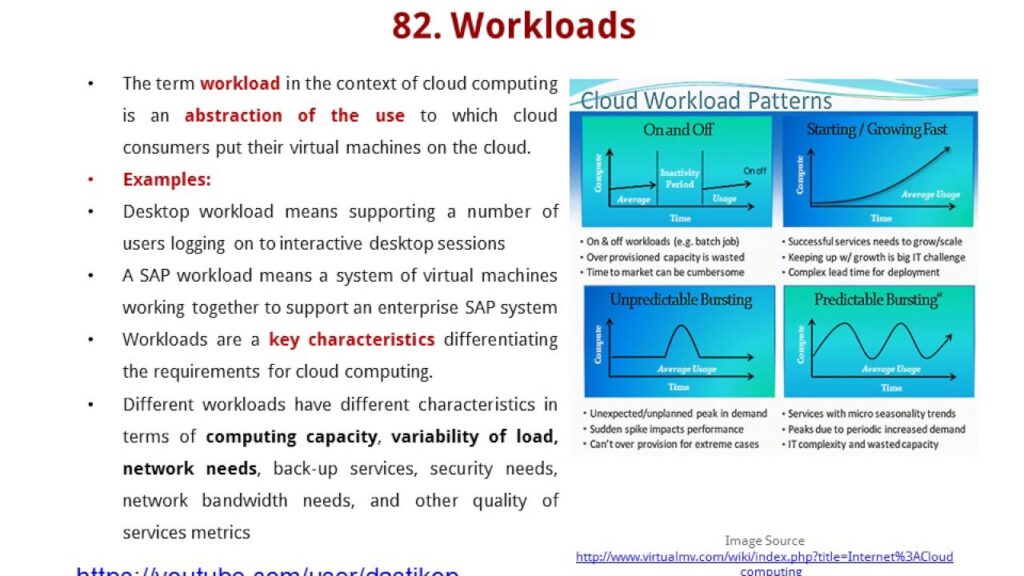
For CIOs in the Middle East, Chinese cloud services offer a mix of local compliance, cost efficiency, and support. Kenneth Lindegaard, CIO of UAE-based firm Space42, noted that while cloud adoption is growing, some industry-specific workloads still run better on traditional infrastructure. The preference for hybrid deployments has played to the strengths of Chinese firms, which structured their regional strategy around this flexibility early on.
As the cloud landscape in the Middle East evolves, the competition is shifting towards offering tailored, locally compliant solutions. Chinese providers have embraced this challenge and are making their mark in the region.
To learn more about cybersecurity and the cloud from industry leaders, check out Cyber Security & Cloud Expo. Explore other upcoming enterprise technology events and webinars powered by TechForge here.