The Influence of 5G Technology on Mobile App Development
5G technology is making waves globally, bringing with it a host of transformative benefits and implications for businesses across all industries. For mobile app developers, 5G represents more than just speed – it signifies a new era of app planning, development, and user experience.
With the advent of 5G technology, mobile apps can now deliver smoother, more responsive experiences to users, especially in real-time communication, gaming, and IoT-dependent applications.
This article explores the impact of 5G on mobile app development and the importance of staying ahead of the curve for success.
Understanding 5G Technology
5G is the latest iteration of mobile network technology, promising faster data throughput, lower latency, and improved connectivity. With speeds up to 100 times faster than 4G, 5G enables real-time data transmission, handling more connected devices and offering greater bandwidth, revolutionizing mobile apps. These capabilities are particularly crucial for developers working on technologies like augmented reality (AR), virtual reality (VR), and the Internet of Things.
Impact of 5G Technology on Mobile App Development
- Enhanced Speed
One of the key advantages of 5G technology is its unparalleled speed, a significant improvement over the already impressive 4G speeds. With data transfer speeds reaching up to 10 Gbps, mobile apps can operate more efficiently, loading faster, updating seamlessly, and offering a smoother user experience, even for data-intensive applications.
5G’s speed transforms user interactions with content, particularly in mobile gaming, streaming platforms, and multimedia-rich apps. High-definition games, video streaming apps, and interactive social media experiences benefit from 5G’s fast speeds, providing users with lag-free, high-quality content.
By leveraging the increased speed of 5G, mobile app developers can create more innovative and dynamic experiences for users.
- Minimal Latency
Ultra-low latency is a major breakthrough in 5G technology, with potential latencies as low as 1 millisecond compared to 30-50 milliseconds on most 4G networks. This low latency is crucial for applications like augmented reality and virtual reality, ensuring smooth and immersive user experiences.
With 5G’s minimal latency, apps can deliver high-quality video calls and voice communications with minimal delay, enhancing remote meetings and consultations. Businesses can develop real-time apps for live collaboration, gaming, and AR/VR applications, thanks to 5G’s low latency.
- Expansion of IoT-Connected Mobile Apps
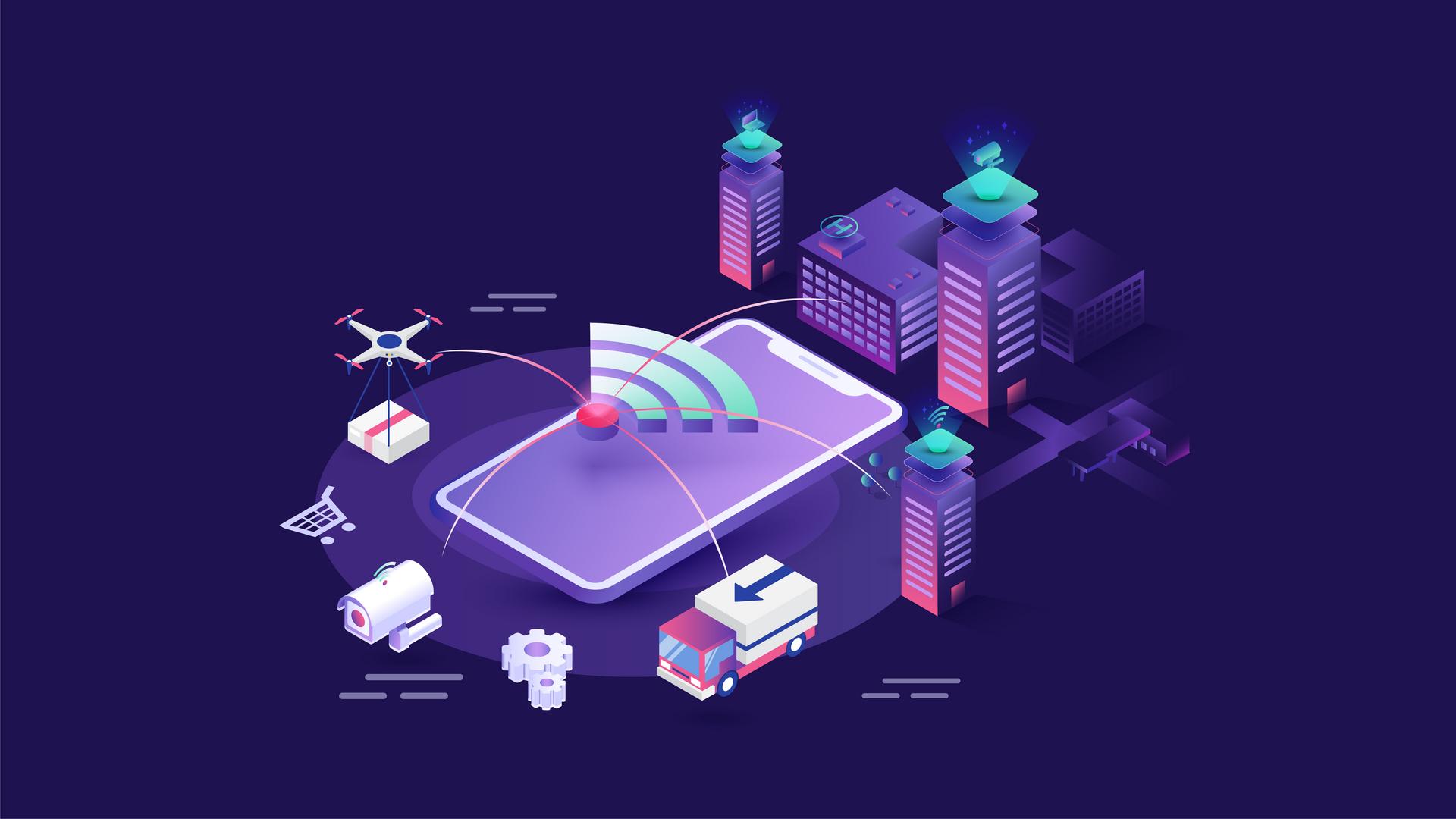
5G’s ability to support a large number of devices simultaneously makes it ideal for the Internet of Things (IoT). Unlike 4G, which struggles with multiple connections, 5G can handle them seamlessly, ensuring IoT apps run smoothly with minimal delays.
Mobile apps can now easily connect with smart devices such as home appliances, wearables, and industrial tools. Smart home apps can control lighting and security in real time, while wearable devices like fitness trackers can provide instant health updates due to 5G’s fast processing capabilities.
- Enhancement of Cloud-Based Mobile Applications
Cloud-based mobile applications benefit greatly from 5G technology, as its speed and low latency enable smooth operation while relying on cloud resources for data storage and processing. With 5G, apps can access cloud data faster, leading to improved performance and reduced waiting times for users.
This is particularly advantageous for businesses using data-intensive apps like real-time collaboration tools or platforms requiring large data transfers such as video editing or graphic design. Users can upload, download, and access files more quickly, even when dealing with high-quality content.
Furthermore, 5G supports edge computing, where data processing occurs closer to the source rather than in a distant cloud server. This reduces app response times, making them more efficient. Industries like healthcare and logistics, where quick access to data is critical, can benefit significantly from this improvement.
- Security and Privacy of Mobile Apps
Security is a significant concern as 5G connects more devices, providing hackers with increased opportunities for data breaches. To secure apps developed for 5G, developers must implement additional security measures. The high data traffic facilitated by 5G’s fast speeds makes encryption essential for protecting sensitive information.
Developers should focus on securing communication between devices, especially in IoT apps, to prevent unauthorized access. The proliferation of connected devices increases the potential attack surface, necessitating robust authentication procedures and regular security updates.
By prioritizing security, app developers can create safer apps for the 5G era, ensuring the protection of sensitive data as businesses and consumers increasingly rely on 5G-enabled apps.

The Future of 5G in Mobile Application Development
While 5G is still in its early stages, its potential is immense. As more organizations and industries adopt 5G, mobile apps will undergo significant evolution. Developers can create sophisticated apps that operate faster, offer real-time interactions, and perform more efficiently, opening up new possibilities in sectors like healthcare, gaming, and education.
We can expect a rise in AI-powered applications necessitating real-time data processing, enabling instant feedback and predictive analytics due to 5G’s low latency. AR and VR apps will flourish, delivering more immersive experiences to users.
Businesses that embrace 5G early on can gain a competitive edge by developing apps that deliver superior services and experiences. As 5G becomes mainstream, user expectations for mobile apps will evolve, prompting developers to create faster, smarter, and more innovative solutions.
Conclusion
5G isn’t just about speed – it signifies a fundamental shift in how mobile apps are developed and utilized. With its fast speeds, low latency, and ability to support numerous devices, 5G is creating new opportunities for mobile app developers and businesses. By leveraging 5G, businesses can innovate, enhance user experiences, and stay ahead of the competition.
As 5G continues to expand globally, its impact on mobile app development will only grow, paving the way for innovation and growth. To fully leverage the capabilities of 5G technology, developers and businesses must embrace it and adapt their app strategies accordingly.