Bitcoin (BTC) recently hit a new all-time high of $111,965.80 on May 22, but despite this milestone, indicators show that retail adoption and speculative leverage have not significantly impacted market conditions.
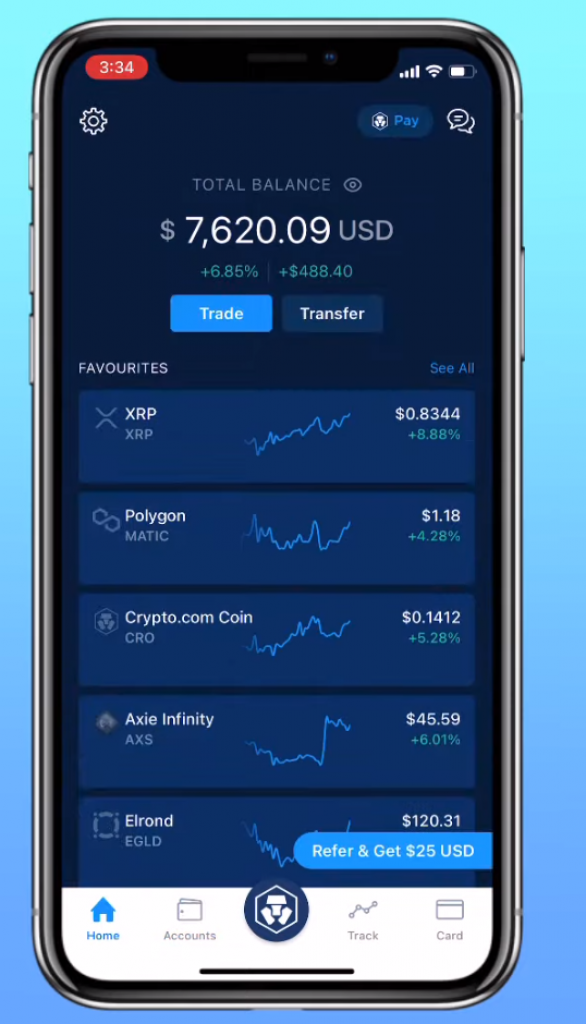
According to VanEck’s head of digital assets research, Matt Sigel, data from the App Store compiled by Bloomberg Intelligence reveals that crypto-platform downloads decreased by 14% year-over-year in April.
Downloads for Binance and Crypto.com dropped by 29% and 41%, respectively, while Coinbase saw a 16% decline. Sigel suggests that individual investors either “missed the rally” or invested through stocks, with mining shares absorbing some of the capital flow.
Additionally, Sigel shared a Google Trends chart showing that searches for Bitcoin were only slightly above 25% on May 20, just before BTC reached its new all-time high.
Contrary to the decline in retail trading apps, spot-Bitcoin exchange-traded funds (ETFs) saw combined inflows of $44.5 billion, according to Bloomberg senior ETF analyst, Eric Balchunas.
The record inflows indicate a shift towards institutional demand rather than broad retail participation, as seen from the $40.3 billion inflows in US-traded Bitcoin ETFs on May 8.
On-chain signals suggest limited speculative activity
CryptoQuant Korea community manager, Crypto Dan, noted that funding rates in major derivatives markets have increased but remain below levels seen before corrections in March 2024 and November 2024.
He also mentioned that futures open interest and liquidations are lower than previous peaks, indicating a conservative use of leverage.
On-chain analysis of coin age supports this observation, as the proportion of BTC changing hands within one week to one month has only slightly increased despite the price surge. Meanwhile, long-dormant coins continue to remain inactive.
Whales have been less active in taking profits compared to previous market tops, suggesting a lack of significant selling pressure.
The positive flows in US-traded spot Bitcoin ETFs, along with the steady bid and subdued retail trading activity, indicate that price discovery could continue if risk appetite expands.