The global economy is heavily influenced by the rapid advancement of technology, particularly artificial intelligence (AI), in our data-driven world. A solid data architecture design is essential for efficient data management, scalability, adaptability, and business intelligence support. Establishing a sustainable data ecosystem is crucial for the long-term economic success of businesses, enabling smoother data flows, storage, and retrieval processes.
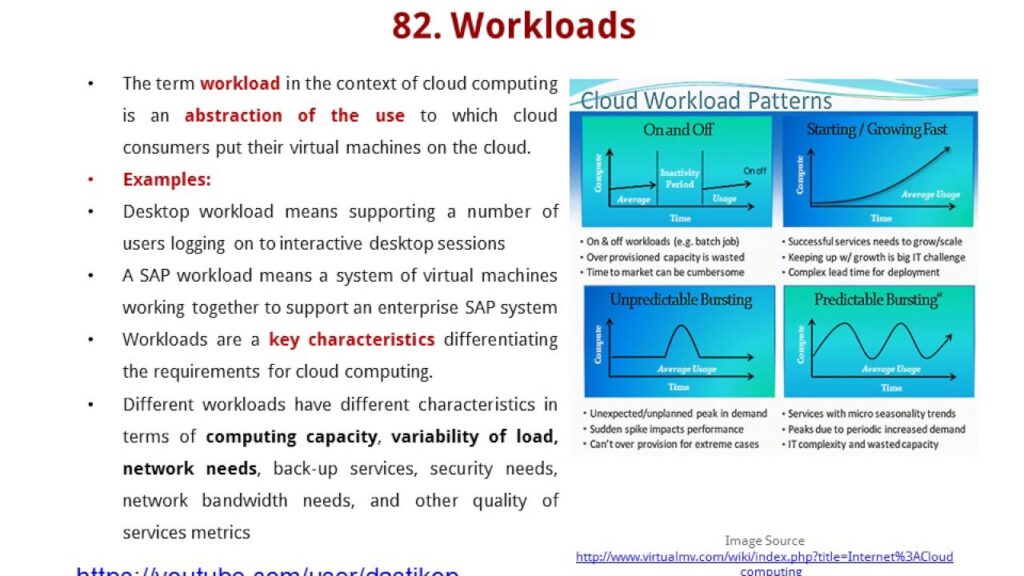
A well-structured data architecture is vital for business growth, ensuring that the infrastructure can expand seamlessly to handle increased workloads without compromising reliability or performance. It also enables organizations to meet regulatory compliance requirements related to data security and governance, minimizing potential risks associated with data misuse and system vulnerabilities.
AI is playing a significant role in transforming market dynamics and enhancing risk assessment models. The financial sector, in particular, is at the forefront of AI adoption, with investments in AI projects expected to reach $35 billion. By 2030, the AI market in finance is projected to reach $190.33 billion, driven by a compound annual growth rate of 30.6%.
AI-powered solutions are being used to predict market shifts, improve financial modeling, and automate responses. In the financial industry, AI is leveraged for tasks such as credit risk assessment, fraud detection, personal finance assistance, portfolio management, stock market prediction, and algorithmic trading. Companies like Siemens have integrated AI dashboards into their operations to enhance financial reporting accuracy by 10%.
The adoption of AI in financial services is on the rise, with 85% of financial institutions expected to have implemented AI by 2025. Cloud-based financial modeling platforms have seen a 150% increase in deployment over the past four years, highlighting the growing demand for skilled financial modeling experts.
Machine learning (ML) and deep learning (DL) algorithms are instrumental in helping organizations analyze structured and unstructured data to forecast future outcomes. Alternative data sources, such as news feeds and social media, are also utilized to gain insights into market trends.
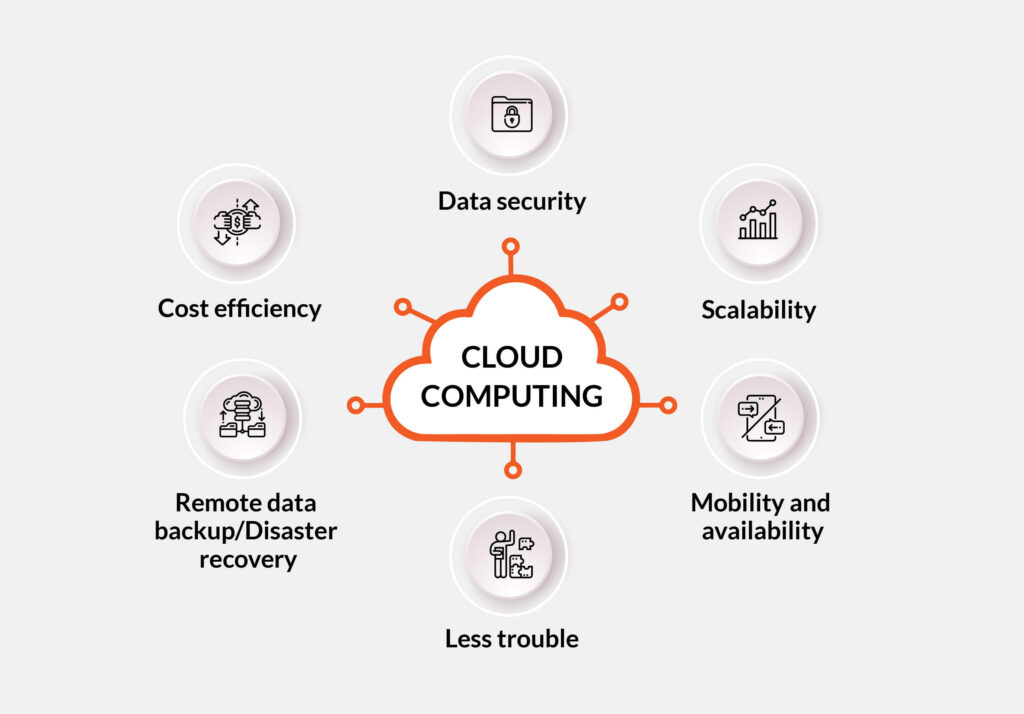
In response to geopolitical and macroeconomic events, financial institutions are diversifying their risk management strategies and leveraging real-time data analytics for portfolio rebalancing. Multi-cloud strategies are being adopted to enhance compliance and performance, although managing multiple cloud platforms can introduce operational complexities.
Overall, the integration of AI, robust data architecture, and multi-cloud strategies are shaping the future of the financial sector, driving innovation, efficiency, and compliance in a rapidly evolving market landscape.