Alibaba Cloud is gearing up to launch its second data centre in South Korea by the end of June 2025 in response to the growing demand for AI infrastructure in the region. This move is part of the company’s strategy to expand globally and keep up with the increasing interest in generative AI tools and services.
Yoon Yong-joon, Alibaba Cloud’s country manager for South Korea, stated, “Our ongoing investment in local infrastructure is driven by the rising adoption of AI technologies across various industries. The new data centre will enable customers to operate more flexible and reliable systems tailored for AI.”
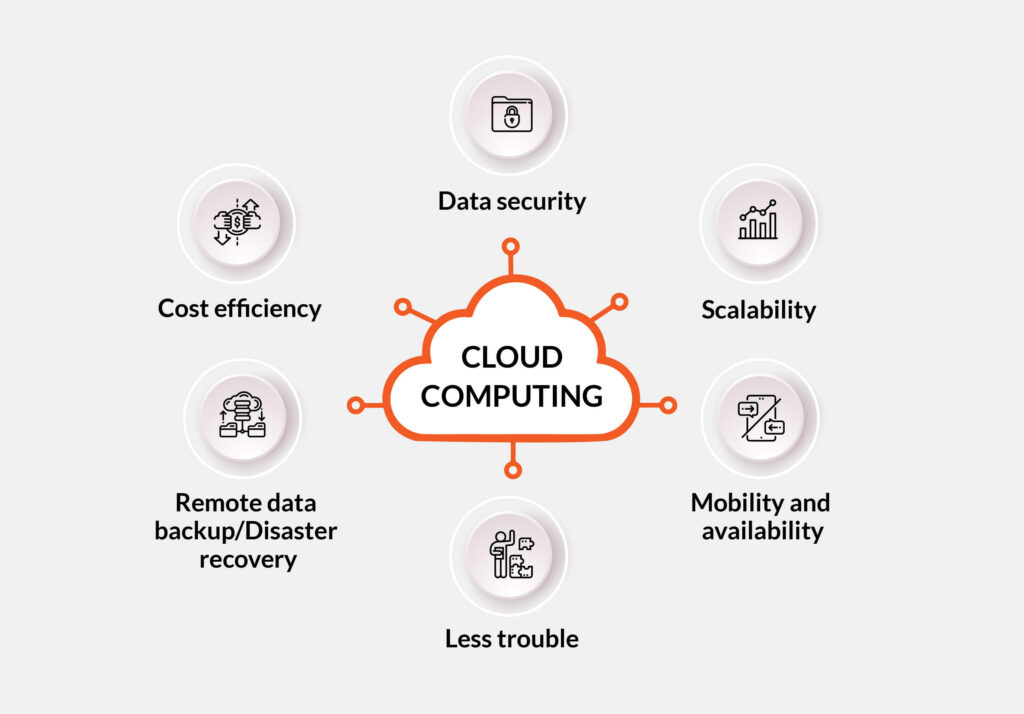
Data centres play a vital role in cloud computing, providing users with access to storage, software, and hardware via the internet. In South Korea, the demand for this infrastructure is rapidly growing, with analysts estimating the market to have been valued between US$5 billion and US$9.6 billion in 2024, projected to reach nearly US$10 billion by 2030. Seoul serves as a key hub, supported by network density, major enterprise users, and government support.
The growth of edge computing is also expected to accelerate, with the local market forecasted to grow from US$178 million in 2024 to over US$2.2 billion by the end of the decade. National initiatives focused on AI, smart cities, and digital services are further driving this momentum.
Alibaba Cloud entered the Korean market in 2016 and launched its first data centre in Seoul in 2022. The company currently operates 87 availability zones in 29 regions. By establishing infrastructure on the ground, Alibaba Cloud has been able to provide alternatives to major US providers like AWS and Microsoft Azure. Its services are utilized in various sectors including e-commerce, logistics, gaming, and AI.
In South Korea, companies like Univa and the Naver-backed app Snow have leveraged Alibaba Cloud’s AI models to enhance their services. Snow offers real-time features such as video filters and AR tools, which are gaining popularity in Asia. Univa utilizes cloud-based AI to enhance its enterprise offerings, facilitating faster model training and inference.
Alibaba’s commitment to AI has been increasing, with the company allocating over US$50 billion for the next three years to strengthen its AI infrastructure. Its open-source Qwen models have become popular among developers, and the cloud unit remains a key component of the group’s long-term strategy.
In Q1 of this year, Alibaba Cloud’s revenue surged by 18% to 30.13 billion yuan (around US$4.15 billion), marking its fastest growth in three years.
(Photo by Lightsaber Collection)
**See also: AWS commits US$13b to Australia data centres**
Want to learn more about cybersecurity and the cloud from industry leaders? Check out Cyber Security & Cloud Expo taking place in Amsterdam, California, and London.
Explore other upcoming enterprise technology events and webinars powered by TechForge here.