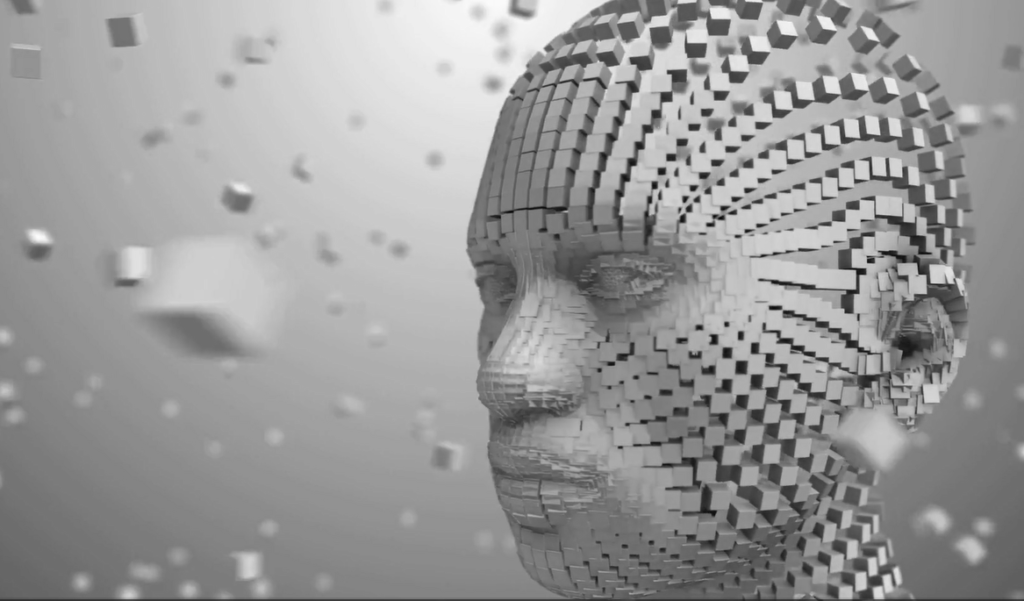
Introducing Intelligent Safety: The Future of Workplace Protection
Health and safety in the modern workplace have never been more critical. The need for intelligent safety measures is no longer a luxury but a necessity.
With the complexity of today’s worksites spanning various industries, safety management has become a delicate balance of prevention, compliance, and crisis management.
Amidst tightening global regulations and increasing operational risks, health and safety managers are under immense pressure to ensure that every safety protocol, inspection, and risk mitigation plan is effective.
Despite significant investments in safety training and compliance tools, incidents still occur. Reactive safety measures are no longer sufficient to prevent accidents and ensure workplace safety.
But what if your workplace could proactively identify hazards before they escalate into incidents?
Enter computer vision, also known as AI Vision, a technology that has evolved to become a truly intelligent safety partner that never stops monitoring.
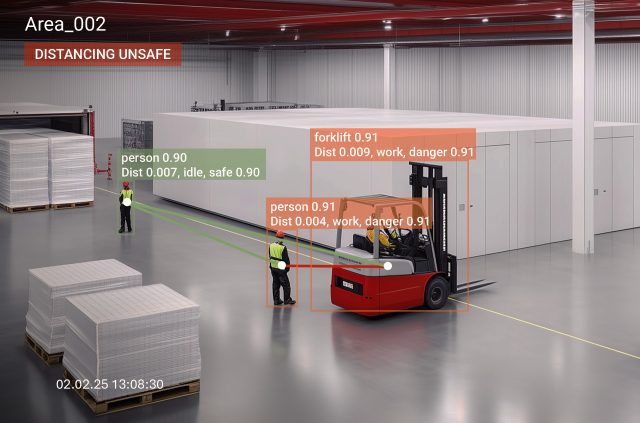
Embracing a New Era of Intelligent Safety with Vision-Based Monitoring Tools
AI Vision, powered by artificial intelligence and cameras, has become the “eyes that never blink” in the realm of workplace safety. These systems work tirelessly to detect, alert, and report on everything from PPE compliance to behavioral anomalies and safety violations.
No longer reliant solely on manual checks or post-incident reporting, vision-based Health and Safety (HSE) tools offer real-time hazard detection, automated inspections, and predictive risk analysis, delivering intelligent safety solutions 24/7.
This provides safety professionals with not just a snapshot but a live feed of critical safety information.
Organizations leveraging AI Vision platforms have reported:
- Up to 90% reductions in manual audits
- 60% faster incident response times
- Complete visibility over SOP deviations and rule breaches, and
- Real-time compliance benchmarking against safety regulations
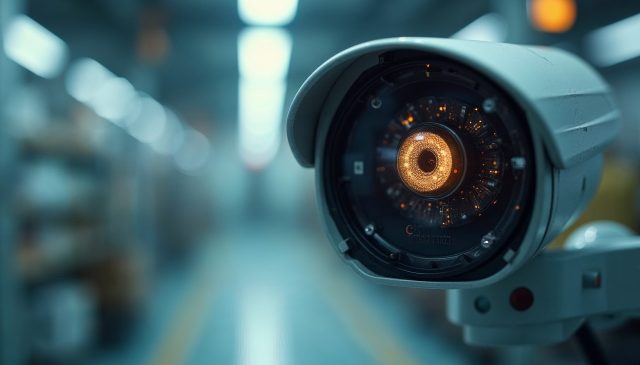
Exploring Revolutionary Advances in AI Vision Safety
As we approach a new era in workplace safety, AI Vision technology is poised to revolutionize hazard detection, risk prevention, and safety management. Here are ten groundbreaking advances that will shape the future of intelligent safety:
1. Contextual Scene Understanding Through True Visual Intelligence
Future safety systems will comprehend entire workplace contexts, enabling nuanced safety interventions based on a deep understanding of risk scenarios.
This contextual awareness will differentiate between routine activities and potential hazards, leading to more effective safety measures.
2. Predictive Behavioral Risk Assessment
Advanced behavior analysis AI will predict future risk behaviors by analyzing subtle visual cues and environmental factors, allowing for proactive safety interventions.
3. Multi-Modal Sensor Fusion for Comprehensive Risk Assessment
The integration of computer vision with other sensing technologies will provide comprehensive risk assessment in real-time, enhancing safety oversight in complex work environments.
4. Autonomous Safety Intervention Systems
Next-gen safety platforms will autonomously activate safety controls in response to critical risks, improving incident response times and operational safety.
5. Real-Time Safety Training and Guidance
AI Vision will offer personalized safety training interventions in real-time, enhancing workplace safety through continuous learning experiences.
6. Advanced Anomaly Detection for Unprecedented Hazards
Future anomaly detection AI will identify emerging hazards and equipment failures through continuous monitoring and analysis.
7. Predictive Equipment Failure and Maintenance Safety
Computer vision systems will predict equipment failures before they pose safety risks, optimizing maintenance schedules and reducing incidents.
8. Intelligent Crowd and Traffic Flow Management
Vision systems will manage traffic flows in workplaces to minimize collision risks and congestion-related hazards, ensuring safe movement patterns.
9. Personalized Safety Ecosystem Integration
Future AI Vision will create personalized safety ecosystems for individual workers, adapting safety measures to their unique profiles and needs.
10. Regulatory Compliance Automation and Reporting
Advanced vision systems will automate regulatory compliance documentation, ensuring consistent adherence to safety standards and regulations.
The Evolution of Adaptive Safety: Learning and Evolution
Intelligent safety platforms will continuously learn and adapt based on real-world feedback, evolving their safety strategies to enhance workplace protection.
This adaptive approach will lead to more effective safety management tailored to specific workplace needs and risks.
Looking Ahead: Implementation Horizons
While these transformative capabilities will be rolled out incrementally, organizations can begin benefiting from advanced AI features today by laying the groundwork for future integration.
Early adopters of vision AI technology will be at the forefront of intelligent safety advancements, positioning themselves as leaders in proactive workplace protection.
Concluding Thoughts: The Future of Intelligent Safety
The next five years will witness a significant shift in workplace safety, driven by intelligent technologies that offer unprecedented insight, prediction, and intervention capabilities.
Organizations that embrace these advancements today will lead the charge in creating safer workplaces through adaptive, proactive safety management.
The future of safety is intelligent, adaptive, and already taking shape in workplaces around the world.