Saving Lives in the Workplace: A New Approach with AI Vision
Ensuring safety in the workplace, especially in high-risk industries like manufacturing, construction, energy, and logistics, is a challenging task. Each day brings real dangers that can have devastating consequences on individuals, families, and businesses.
Workplace fatalities not only result in tragic human losses but also have significant financial and reputational impacts on organizations. On average, a single workplace death can cost an organization $1.2 million in direct and indirect costs, making prevention a critical priority.
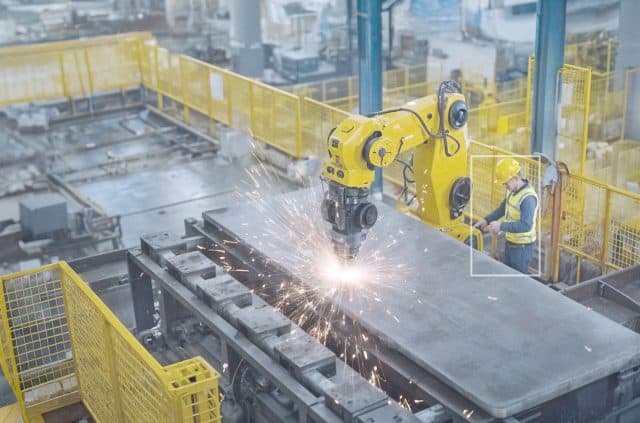
Despite efforts to improve safety through PPE, compliance measures, and training, human error continues to pose a significant risk. AI-powered computer vision technology offers a new solution by providing continuous monitoring and real-time safety enforcement.
AI Vision: Enhancing Workplace Safety
AI-powered computer vision systems use cameras and edge computing to monitor environments in real-time, offering a proactive approach to safety. These systems can detect anomalies, identify risky behaviors, and trigger instant alerts, helping prevent accidents before they occur.
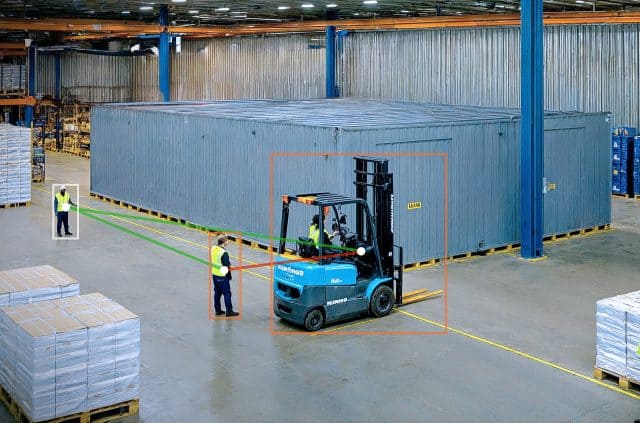
By leveraging AI technology, organizations can shift from reactive safety measures to proactive risk mitigation strategies. This paradigm shift enables businesses to anticipate, prevent, and address safety hazards in real-time.
Challenges Faced by Health and Safety Leaders
Health and safety executives encounter various challenges, including high incident rates, labor shortages, regulatory complexities, pressure to demonstrate safety KPIs, and difficulty in fostering a safety-centric culture.
- High incident rates: Despite compliance efforts, workplace accidents persist.
- Labor shortages: Under-supervised sites due to lack of staff.
- Regulatory complexity: Compliance challenges across multiple jurisdictions.
- Pressure to demonstrate safety KPIs: Meeting safety performance metrics and reducing compensation claims.
- Difficulty achieving safety culture maturity: Establishing a safety-focused culture in contractor-heavy operations.
Traditional safety programs often rely on manual processes and retrospective audits, lacking predictive capabilities. AI Vision complements existing safety measures by providing real-time monitoring and automated alerts.
Benefits of AI Vision in Workplace Safety
AI Vision technology offers several key benefits for enhancing workplace safety:
1. Fatigue detection and worker alerting
AI systems can detect signs of fatigue and alert both workers and supervisors to prevent accidents caused by reduced alertness.
2. Unsafe behavior pattern recognition
AI Vision can identify unsafe behaviors in real-time, helping organizations address potential risks before incidents occur.
3. Predictive accident prevention
By analyzing real-time data and historical incidents, AI Vision platforms can predict and prevent future accidents, enabling targeted safety interventions.
Real Results: The ROI of AI Vision in Safety
Data-backed results showcase the tangible benefits of implementing AI Vision in workplace safety:
- 90%+ reduction in workplace fatalities in AI-monitored zones.
- 500% increase in near-miss detection accuracy.
- $50,000+ saved per prevented incident, with long-term benefits for brand reputation and workforce stability.
In addition to cost savings, AI Vision helps organizations build trust with insurers, regulators, and employees by demonstrating proactive risk mitigation efforts.
Privacy-Respecting Safety: Best Practices
Modern AI Vision solutions prioritize worker privacy by utilizing edge-based processing and storing only metadata, ensuring that individual identities are not tracked or recorded.
These systems focus on behavioral safety rather than surveillance, creating a collaborative and secure work environment.
The Future of AI Vision in Workplace Safety
As AI technology evolves, new possibilities emerge for enhancing workplace safety:
- Advanced hazard recognition capabilities.
- Integration with wearables and environmental sensors for contextual insights.
- Cross-site benchmarking to address systemic safety issues in large enterprises.
- Real-time contractor safety tracking without permanent IDs.
Vision-based safety solutions are not just a trend but a fundamental aspect of creating data-informed, zero-harm operations in the future.
Take Action Now: Embracing AI Vision for Safety
Every incident prevented represents a life saved and a future safeguarded. Implementing AI Vision is not a luxury but a necessity in today’s high-risk work environments. Safety leaders have the opportunity to proactively address risks and ensure the well-being of their workforce.