Cryptocurrency has emerged as a game-changing force in the world of online finance, ushering in a new era. However, this revolutionary industry has also brought about concerns regarding its environmental impact.
Bitcoin and other digital currencies rely on complex computer networks to verify transactions, a process that consumes a significant amount of energy. The global adoption of blockchain technology has led to a surge in demand for data processing and storage, primarily powered by traditional energy sources. As more investors and institutions enter the crypto market, the sustainability of this digital ecosystem has become a topic of intense debate.
The price of Ethereum often serves as a barometer for the overall health of the cryptocurrency industry. As major coins gain strength, the demand for mining increases, putting additional strain on the world’s energy resources. This creates a cycle where the pursuit of profit drives energy consumption higher, prompting innovators to seek more eco-friendly solutions. The challenge lies in finding a balance between profitability and sustainability, ensuring that the expansion of digital currencies does not come at the expense of the environment.
Mining and the mechanics of energy use
Cryptocurrency mining, especially for coins like Bitcoin that rely on proof-of-work consensus, involves solving complex cryptographic puzzles to secure the blockchain. This process requires high-powered hardware that operates continuously, consuming significant amounts of electricity and generating heat. While early mining operations were often small-scale or home-based, today’s industry is dominated by large-scale mining farms and data centers that handle the computational demands of blockchain activities.
Data centers are crucial for the functioning of the modern internet, but they are notorious for their energy consumption. These facilities, powered predominantly by fossil fuel-based grids, contribute significantly to the carbon footprint of crypto activities. However, this reliance has spurred innovation, with miners and blockchain developers increasingly seeking partnerships with sustainable data centers that prioritize renewable energy sources and energy efficiency.
The emergence of green data centers
The rise of green data centers represents a promising shift in the digital economy. These facilities are designed to minimize their environmental impact by utilizing renewable energy sources such as wind, solar, hydro, or geothermal power. They also incorporate modern cooling systems and energy-efficient hardware to reduce wastage. For cryptocurrency operations, aligning with green data centers offers a pathway to achieving carbon neutrality without sacrificing performance.
In regions abundant in renewable energy, such as Scandinavia and Canada, data centers are powered by clean electricity. This trend not only benefits the environment but also provides economic stability. The predictable costs of renewable energy offer long-term savings for miners, while governments in these regions incentivize sustainable data infrastructure through tax breaks and green energy programs.
By linking blockchain technology with green data center initiatives, the crypto industry has the potential to reshape its image and position itself as a beacon of responsible innovation. Rather than being perceived as a drain on energy resources, cryptocurrency can lead the way in leveraging technology for sustainability while maintaining the integrity of decentralized systems.
Ethereum’s example and the path forward
Ethereum’s transition to a proof-of-stake consensus mechanism marks a significant stride towards a more sustainable blockchain. By eliminating the energy-intensive mining process, Ethereum has slashed its energy consumption by over 99%. This shift demonstrates how large networks can adapt technologically to meet modern environmental standards while upholding their role as pillars of the decentralized ecosystem.
As more projects follow Ethereum’s lead, the role of data centers will evolve to support sustainable blockchain operations. Hosting nodes and validation infrastructure in facilities powered by renewable energy will be crucial for maintaining blockchain integrity.
Sustainability is no longer just a concern for environmental advocates; investors, users, and regulators are increasingly focused on energy transparency. Blockchain networks that can demonstrate sustainability may gain a competitive edge in terms of adoption and reputation.
Cooperation between the cloud and crypto industries
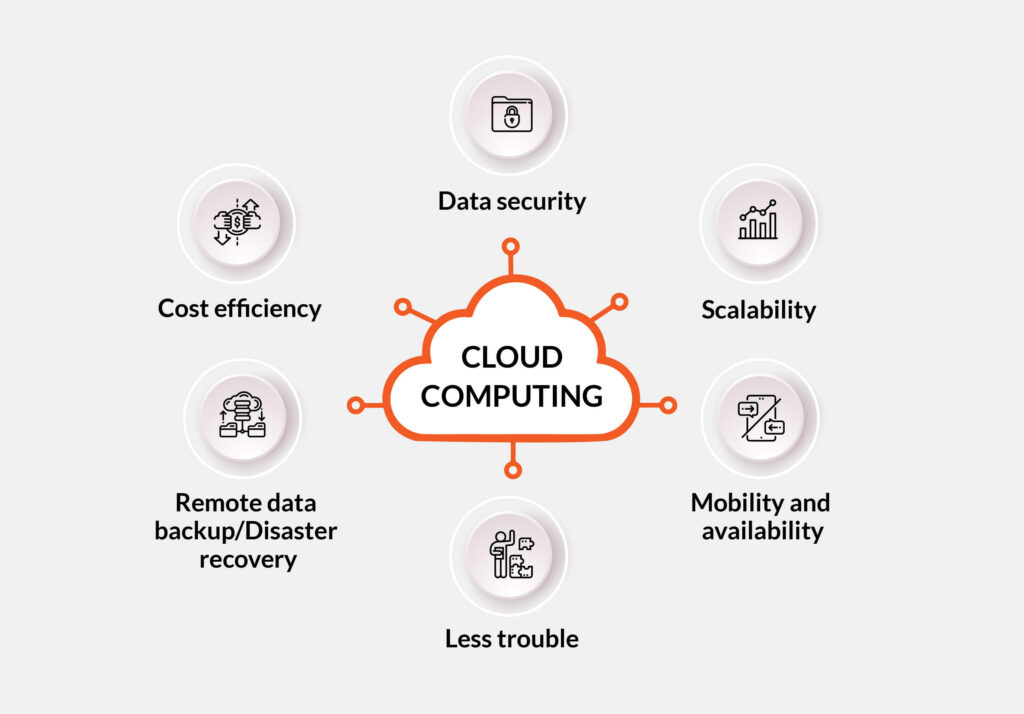
The integration of cryptocurrency and cloud computing presents opportunities for enhanced energy efficiency. Major cloud providers are investing heavily in clean energy to achieve net-zero emissions in their data centers. By aligning with green cloud initiatives, the crypto industry can contribute to a greener infrastructure without the need to build its own facilities.
Collaborations between blockchain software and green clouds have the potential to significantly reduce the carbon footprint of blockchain systems. Rather than relying on decentralized mining rigs scattered worldwide, developers and validators can operate in streamlined settings that prioritize energy efficiency. This not only improves sustainability but also boosts operational stability and scalability.
Integrating blockchain analytics into these environments can enable real-time monitoring of carbon emissions, allowing for transparent reporting and verification of environmental impact. Such innovations can serve as a model for other energy-intensive sectors looking to modernize their infrastructure.
Toward a sustainable digital economy
The future of cryptocurrency hinges on addressing the intersection of decentralized finance and climate change. Sustainable data centers offer a tangible solution to this challenge. By combining blockchain technology with renewable energy sources and advanced infrastructure design, the industry can continue to grow while advancing cleaner digital processes.
The narrative surrounding cryptocurrency is poised to shift as more projects embrace energy-conscious models, dispelling the notion of Bitcoin as an environmental hazard. What was once seen as a symbol of excess can transform into a testament to human ingenuity and environmental stewardship. By bridging the gap between the crypto community and sustainable technology sector, a new paradigm can emerge where innovation harmonizes with ecological responsibility.
Energy efficiency, profitability, and scalability will drive the future of the blockchain industry. By leveraging green data centers and renewable technologies, cryptocurrencies can not only uphold their sustainability but also play a pivotal role in shaping a sustainable digital future.