Hyperscale Providers and Global Digital Infrastructure
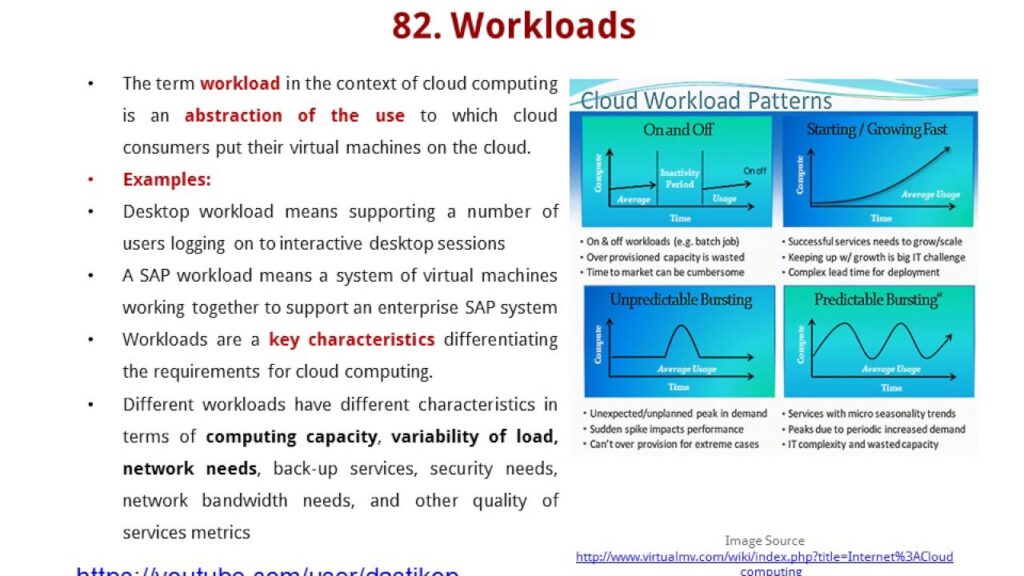
Hyperscale providers are crucial players in the global digital infrastructure landscape. According to DC Byte’s 2025 Global Data Centre Index, public cloud, social media, and AI workloads make up nearly 70% of global data centre demand. The decisions made by hyperscalers regarding building and leasing have a significant impact on power networks, government policies, and investment flows.
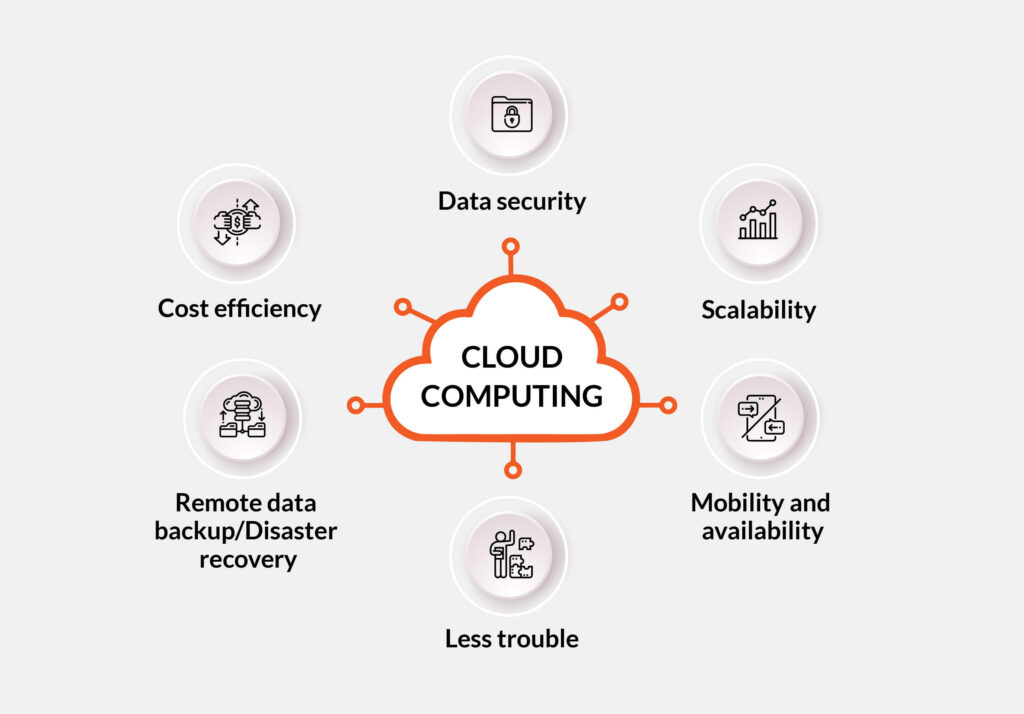
For enterprises and hyperscalers, the infrastructure narrative includes factors such as cloud costs, resilience, access to power grids, data sovereignty, environmental considerations, staffing, and the speed at which AI initiatives are expected to grow.
Impact of Hyperscale Strategy on Risk
McKinsey highlights that AI workloads are driving a wave of high-density data centre construction. Goldman Sachs Research predicts a 165% increase in data centre power demand by 2030, with utilization rates on the rise in the coming years.
Data from DC Byte indicates that hyperscalers are driving the majority of this growth. The concentration of demand has several implications for enterprises:
- Pricing Power: Competition among hyperscalers for limited power and grid connections can impact cloud pricing and reserved capacity terms.
- Availability and Latency: If capacity in a preferred metropolitan area is fully committed, new users or expansions may be directed to a secondary region, affecting latency and compliance.
- Strategic Dependence: With more workloads on hyperscale platforms, reliance on suppliers’ decisions regarding location, energy, and regulations increases.
The risk is transferred to the customer.
Considerations of Land, Latency, Power, and Policy
Previously, cloud expansion focused on factors like land price, connectivity, and proximity to enterprise demand. Today, the primary bottleneck is power.
In regions like Northern Virginia, which houses a significant portion of the world’s data centres, connecting large loads to the grid can take up to seven years due to high demand. Mature hubs with vacancy rates below 1% indicate that new capacity is sold out before construction even begins.
Capacity planning assumptions from five years ago may no longer apply, as power and policy considerations become crucial at the board level.
Regional Shifts in Hyperscale Infrastructure
The report highlights a decentralization of hyperscale infrastructure, with capacity spreading within and between countries’ borders as operators seek suitable power and land.
Americas: Dual-Speed Growth
North America remains a mature hyperscale region, with hubs like Northern Virginia facing long lead times. The US Southeast, including states like Georgia and North Carolina, is emerging as a fast-growth area due to factors like affordable land and proactive utilities.
Investments by major tech companies in these regions demonstrate how initial builds can foster local ecosystems and attract additional projects.
Enterprises seeking capacity can expect greater availability in non-traditional metropolitan areas, each with its own risk profile.
Asia-Pacific
The Asia-Pacific region is experiencing rapid growth in hyperscale markets, with initial investments concentrated in cities like Singapore and Tokyo. As constraints on land and power tighten, growth is expanding to other cities in the region.
Choice of location in the APAC region is influenced by regulatory alignment and supply chain resilience in addition to latency considerations.
Europe, Middle East, Africa
In Europe, growth initially focused on key hubs like Frankfurt and London. Attention has now shifted to Southern and Central Europe, the Nordics, and the Middle East and Africa, offering more land and clearer reform programs.
Projects like the planned hyperscale campus in Montereau, France, showcase innovative approaches to reusing existing infrastructure.
For pan-EMEA workloads, there is a wider selection of regions with varying regulatory and sustainability profiles.
Leasing Practices and Expectations
Pre-leasing is becoming a popular model for hyperscalers, with projects often sold out before public announcement. Businesses using hyperscalers can expect longer lead times and pricing influenced by local supply-demand dynamics and power costs.
Build-to-suit options may limit future multi-cloud possibilities for end-users.
Policy, Sustainability, and Skills
Government policies significantly impact the availability of capacity and project timelines. Many mature markets are moving towards stricter environmental and energy standards, with incentives for renewable energy use and waste heat reuse.
Skills shortages and supply chain pressures are creating challenges for the industry, with implications for project timelines and costs.
Conclusion
Hyperscale build programs are focused on securing power, aligning with local policies, and providing stable capacity at predictable prices. Understanding the interplay of power, policy, and people is crucial in shaping the future of cloud infrastructure.
Now is the time to address infrastructure realities at the board level, considering factors like AI, cloud strategy, and ESG commitments. The commitment of hyperscalers to expanding data centre capacity will continue to shape the market in the coming years.