The Evolution of Cloud Computing for AI Workloads
Enterprises have shifted their perspective on the cloud from a testing ground to a critical environment for AI systems that support daily operations. This shift has been the primary driver behind the continuous increase in cloud spending.
AI workloads are no longer limited to short trials or isolated pilots; they are now deeply integrated into core functions such as forecasting, planning, and customer operations. This shift towards regular use of AI systems necessitates consistent access to compute power, storage, and networking, driving the demand for cloud infrastructure.
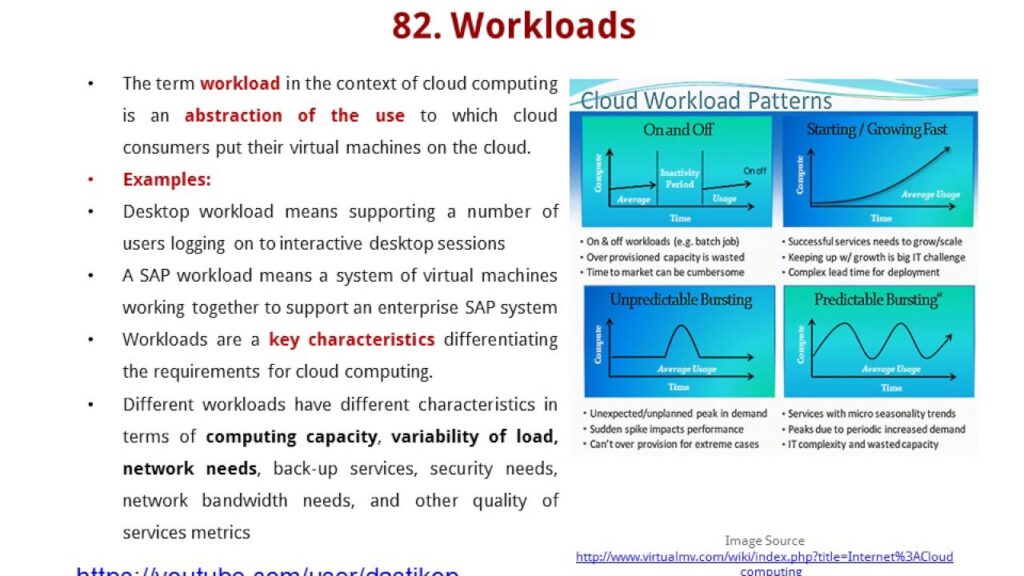
Market data confirms this trend, with research indicating that global cloud infrastructure services spending surpassed $100 billion per quarter in late 2025, fueled largely by AI-related demand. The dominance of major cloud providers in the market underscores the importance of scalability in meeting fluctuating workload requirements.
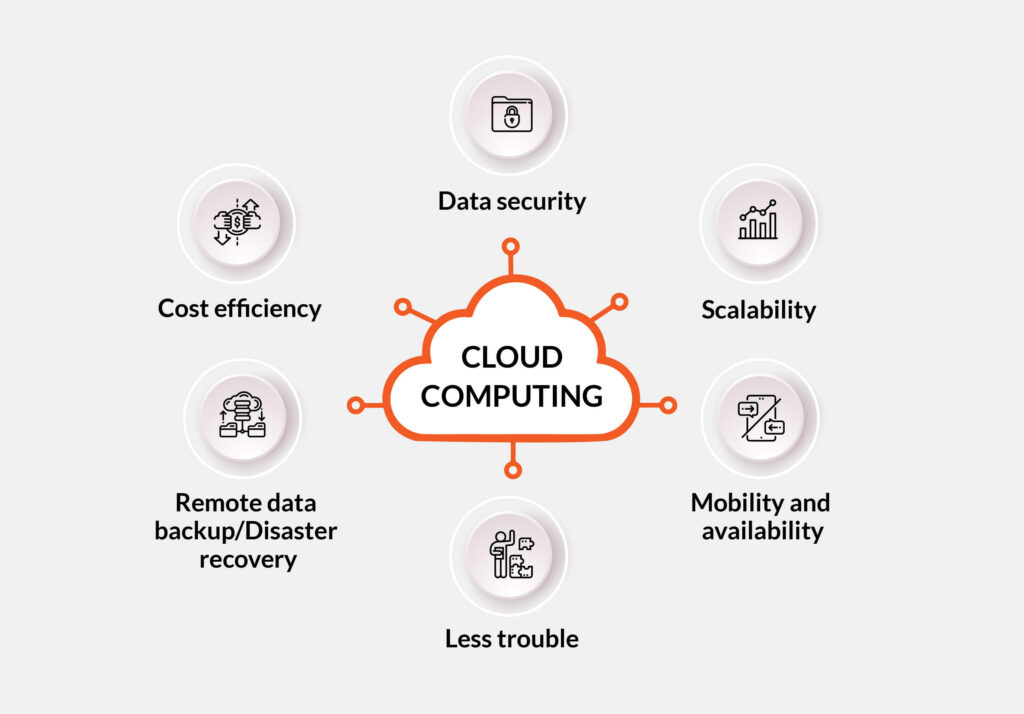
Today, cloud infrastructure is selected not just for cost efficiency but for its ability to support complex workloads that traditional on-premise setups struggle to handle. The flexibility of cloud environments enables enterprises to accommodate the dynamic nature of AI workloads, even if predicting costs becomes more challenging.
Instead of debating whether to adopt the cloud, many IT teams are now focused on optimizing cloud operations for AI workloads.
Integrating AI into Daily Operations
Enterprise priorities have shifted towards stability, performance, and cost management when running AI systems in live services. Downtime is no longer acceptable for AI-driven services, highlighting the need for reliable cloud infrastructure.
Forecasts suggest that global spending on public cloud services is projected to exceed $700 billion in 2026, with significant growth in infrastructure, platforms, and AI-related services. This growth signifies a shift towards ongoing operational needs rather than one-off cloud migrations.
Capacity planning for AI workloads poses unique challenges due to the fluctuating nature of demand. Enterprises are separating AI workloads from other applications to better monitor usage patterns and prevent unexpected spikes in resource consumption.
Enterprise concerns center around maintaining control and security when dealing with sensitive data and critical decision-making processes within AI systems.
Skill Development and Industry Progress
Organizational gaps in skills play a role in shaping cloud spending patterns, with many teams still developing the expertise needed to run AI systems in production. Collaboration between different teams is crucial for successful cloud operations.
Progress in adopting cloud-based AI varies across industries, with regulated sectors proceeding cautiously due to legal and data compliance considerations. Manufacturing and retail sectors are leveraging cloud-based AI to enhance operational efficiency.
The growth in data volume further stresses the need for scalable storage solutions, with cloud storage offering a flexible alternative to on-premise hardware upgrades.
Emphasizing Reliability and Cost Efficiency
As AI becomes integral to daily operations, reliability becomes a key priority, with cloud providers and customers under pressure to design resilient systems that can withstand disruptions.
Controlling costs for AI workloads remains a challenge, as unpredictable spikes in resource consumption can lead to unexpected expenditure. Enterprises are exploring hybrid cloud setups to balance peak demands with stable workloads.
The evolving cloud market reflects a pragmatic approach to cloud adoption, with a focus on practical applications rather than just cost savings. Cloud infrastructure is now a critical component of enterprise IT strategies, particularly for managing AI workloads seamlessly.
(Photo by Dylan Gillis)
Want to learn more about Cloud Computing from industry leaders? Check out Cyber Security & Cloud Expo taking place in Amsterdam, California, and London. The comprehensive event is part of TechEx and co-located with other leading technology events. Click here for more information.
CloudTech News is powered by TechForge Media. Explore other upcoming enterprise technology events and webinars here.