Alphabet’s significant investment in expanding AI cloud infrastructure highlights the growing demand for enterprise computing power. With hyperscale providers ramping up spending on compute capacity to meet the surge in AI workloads, it’s evident that the supply is struggling to keep up with the pace of adoption.
During Alphabet’s recent earnings call, it was revealed that capital expenditure could nearly double this year, with a focus on servers, data centers, and networking equipment to support AI workloads and cloud services. This trend is not unique to Alphabet, as major cloud providers are also pouring billions into AI infrastructure to cater to the needs of enterprises deploying advanced AI tools, analytics, and automation workflows.
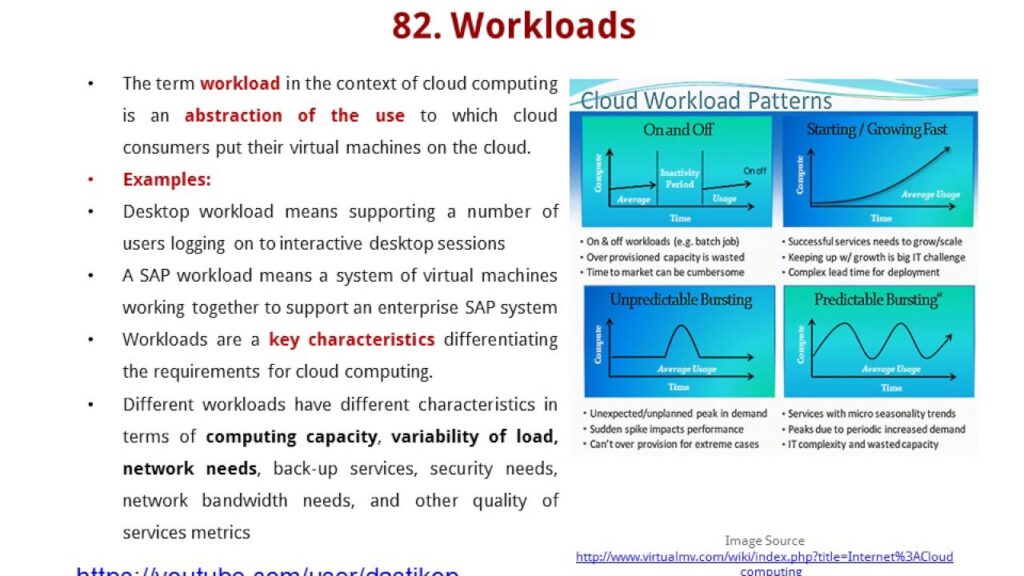
The strain on infrastructure underscores the rapid adoption of AI technologies in various business functions, from customer service automation to operational planning. As AI systems become integral to production workloads, the need for scalable, low-latency compute resources becomes paramount. However, the lag in infrastructure expansion can lead to deployment delays and increased costs for organizations.
Alphabet’s cloud business growth, driven by the surge in enterprise AI usage, reflects a broader shift in how companies evaluate cloud providers. Beyond pricing, factors like capacity, geographic coverage, and AI tool integration are now crucial considerations. The competitive landscape among hyperscalers is pushing providers to enhance their data center networks, custom silicon, and software frameworks to optimize AI performance.
Looking ahead, enterprises must align their cloud strategies with the evolving AI infrastructure landscape. Providers are not just addressing current demand but also preparing for emerging AI workloads like AI-assisted search and data-heavy decision tools. This ongoing infrastructure investment signals a long-term commitment to AI-driven services, with implications for pricing models, service availability, and vendor relationships.
As Alphabet and other hyperscalers continue to invest in AI infrastructure, enterprises must adapt by building flexibility into their deployment plans and vendor engagements. The evolving cloud market underscores the central role of AI in driving growth for hyperscalers, highlighting the importance of understanding the trajectory of compute capacity and its impact on enterprise operations.
Ultimately, the intersection of AI adoption and infrastructure development is reshaping the cloud landscape, emphasizing the critical role of AI in shaping future enterprise computing. Through strategic planning and collaboration with cloud providers, businesses can navigate the evolving AI-heavy cloud market to optimize their AI initiatives and drive innovation.