Mobile networks are evolving into software platforms rather than traditional fixed telecom systems, and Malaysia’s Tune Talk is at the forefront of this transformation. The company recently announced that it has successfully migrated to a fully cloud-native mobile network operator architecture in collaboration with Mavenir, a leading telecom software provider.
By embracing a cloud-native approach, Tune Talk has become the first operator in ASEAN to operate its network entirely on a cloud-native stack. This shift involves replacing hardware-centric systems with software-based network functions, enabling the company to launch services more quickly and automate operations more effectively.
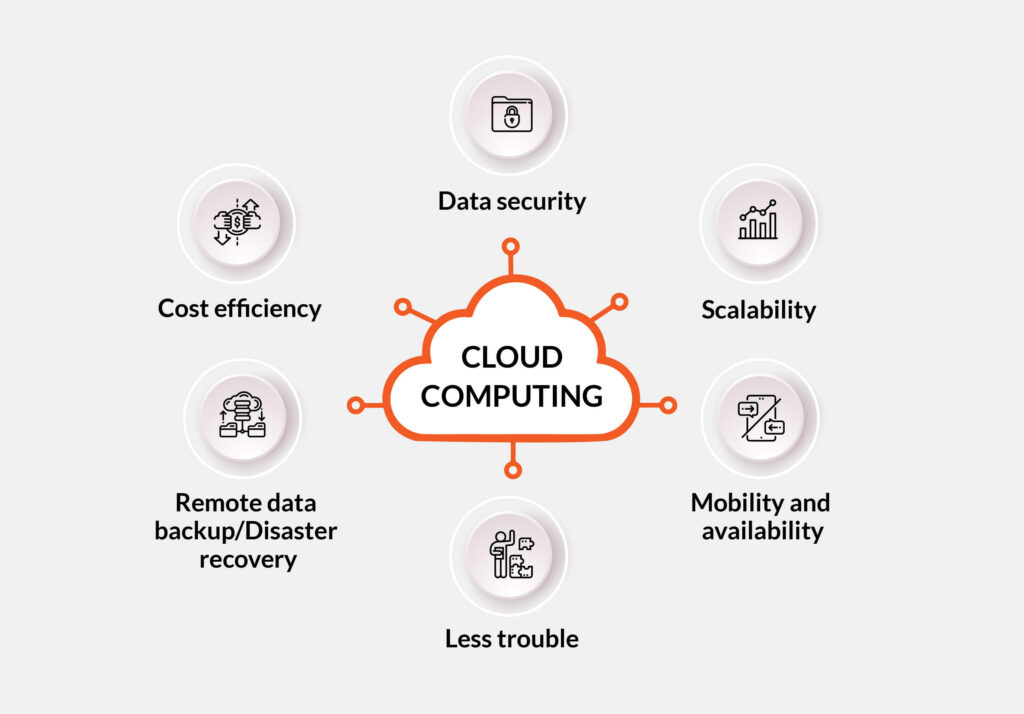
This shift reflects a broader trend in the telecom industry, where operators are transitioning their core network and business systems to cloud environments to enhance agility and drive digital innovation.
Transitioning from hardware to software systems
Traditional mobile networks relied heavily on physical equipment and vendor-specific systems, necessitating costly hardware upgrades and lengthy integration processes. In contrast, cloud-native telecom design disaggregates network functions into software components that run in containers or virtual machines, enabling operators to update services through software releases rather than physical upgrades.
Tune Talk’s new cloud-native architecture includes operational and business support systems that manage network operations, billing, customer data, and service provisioning. This shift allows the company to introduce new services and pricing models rapidly and scale capacity without significant infrastructure investments.
Cloud-native advantages for smaller operators
Smaller mobile operators and virtual network providers stand to benefit greatly from adopting cloud-native architectures, as they can leverage cloud-first approaches to deliver services faster and differentiate themselves in the market. Additionally, transitioning to a cloud-native model empowers operators like Tune Talk to take more control over their digital service platforms and reduce reliance on legacy vendor workflows.
Furthermore, the industry-wide shift towards open, software-driven network models such as Open RAN and cloud-native cores aims to minimize vendor lock-in and expedite deployment timelines.
Unlocking automation and AI capabilities through cloud-native networks
While the focus of Tune Talk’s announcement was on infrastructure, the transition to a cloud-native network paves the way for advanced operational enhancements. The company’s new platform supports automated network processes, zero-touch provisioning, and data-driven customer tools, facilitated by software-based orchestration and analytics pipelines.
Automation and AI-driven tools rely on consistent data flows and scalable computing environments, both of which are readily available in cloud-native architectures. By processing network performance data and customer behavior at scale, operators can enhance service quality and operational efficiency.
Overall, the telecom industry’s shift towards cloud-native architectures underscores the pivotal role of cloud technology in driving innovation and operational transformation across the sector.
Regulatory and operational considerations
While the benefits of cloud-native telecom systems are clear, operators must navigate regulatory requirements and data governance considerations when moving critical systems to the cloud. Compliance with data protection regulations and ensuring service continuity are paramount concerns for operators transitioning to cloud environments.
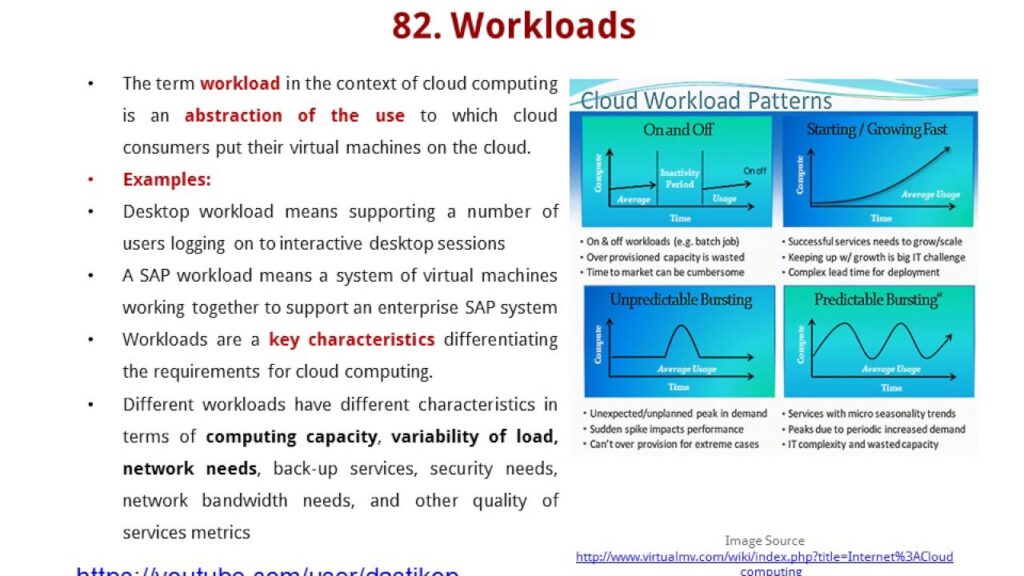
Decisions around where cloud workloads are hosted (public, private, or hybrid) can impact latency, regulatory compliance, and operational efficiency. Therefore, operators must carefully plan their cloud strategies to align with regulatory standards and ensure data security.
Evolution of telecom architecture
Tune Talk’s transition to a cloud-native network signifies a broader shift towards software-driven telecom networks. While large operators with legacy infrastructure may take longer to complete similar migrations, the industry as a whole is moving towards more agile and scalable network architectures.
This evolution is reshaping how operators deliver services, respond to market demands, and innovate with digital features. Ultimately, cloud-native telecom networks are poised to redefine the industry landscape and drive continuous innovation across the sector.
Original article source: Cyber Security Cloud Expo