The advancement of AI technology is transforming the landscape of cloud computing for technology companies. With the increasing adoption of AI tools by businesses, there is a significant focus on investing in hardware and data centres to support the computational demands of AI systems.
Rather than solely concentrating on software development, the current emphasis is on infrastructure. Companies are prioritizing investments in chips, networking equipment, power systems, and large data centres to cater to the computing needs of AI models.
The scale of investment in AI-related infrastructure is rapidly expanding. Leading US technology firms like Alphabet, Amazon, Meta, and Microsoft are projected to spend around US$650 billion on AI infrastructure in 2026, a substantial rise from approximately US$410 billion in 2025.
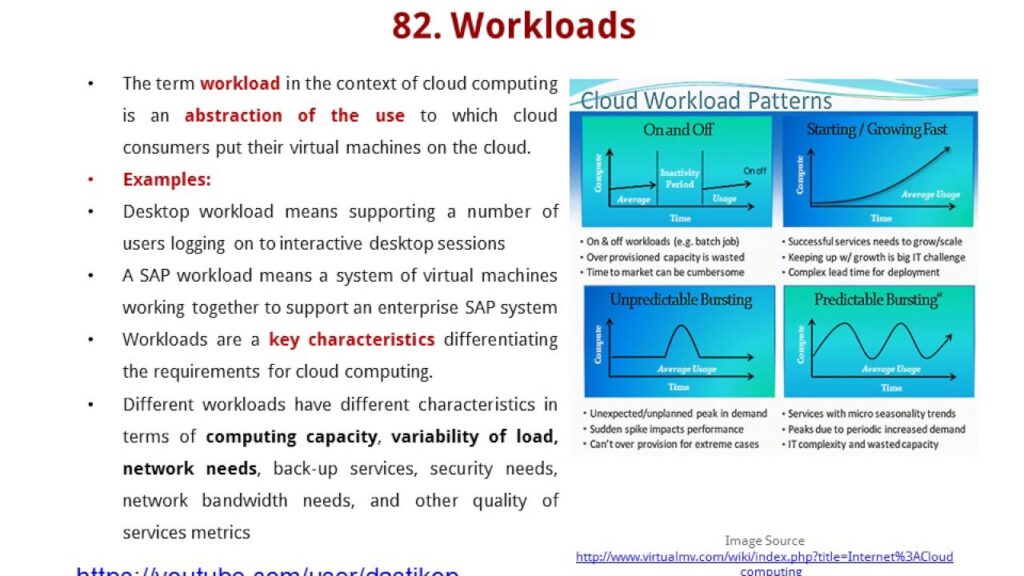
This substantial investment is reshaping the construction of cloud platforms. The challenge now lies in building physical systems that can efficiently support AI workloads at scale.
AI workloads necessitate substantial processing power, often requiring thousands of graphics processors across distributed data centres for training and operation. This demand is fueling investments in networking and data-transfer technologies.
For instance, Nvidia’s recent announcement to invest in photonics companies aims to enhance communication speed between processors within AI data centres. Photonics technology, utilizing light to transmit data, enables faster information transfer and reduced power consumption compared to traditional connections, which is crucial as AI clusters expand.
These investments underscore the evolving bottleneck in AI development. While software development remains essential, the focus is now on building the necessary infrastructure to sustain AI workloads.
The growing adoption of AI tools across various industries is propelling the demand for AI infrastructure. Organizations are integrating AI systems for data analysis, customer service automation, and internal productivity tools, necessitating access to robust computing resources typically provided by cloud platforms.
Large technology companies are forging partnerships and securing long-term agreements to ensure the availability of computing capacity required for AI workloads. These collaborations involve multi-year commitments worth billions of dollars as firms vie for access to AI infrastructure.
As a consequence, cloud providers and hardware manufacturers are heavily investing in data centres and supply chains to meet the surging demand for AI infrastructure.
The escalating cost of AI infrastructure extends beyond server installations. AI data centres consume substantial electricity and require sophisticated cooling systems to maintain processor operations. Additionally, networking equipment must manage the vast data flow between numerous processors.
The global private investment in generative AI surged to US$33.9 billion in 2024, reflecting the rapid growth of the AI sector. Large technology firms are directing significant capital towards constructing new data centres, securing energy resources, and developing networking technology for large AI systems.
Noteworthy AI infrastructure projects like the Stargate initiative exemplify the massive investments being made to accommodate future AI demands. Such initiatives highlight how AI computing is emerging as one of the most significant infrastructure investments in the technology sector.
The evolution of cloud computing, with a focus on specialized hardware and high-speed networking systems for AI processing, signifies a shift in how cloud providers are adapting to the AI-driven landscape. Access to these resources is becoming a crucial factor for organizations planning to deploy AI tools at scale.
The shift towards specialized AI infrastructure may reshape how companies evaluate cloud providers, emphasizing factors like data centre location, AI hardware availability, and long-term computing costs.
As the realm of AI infrastructure expands rapidly, the future of cloud computing is poised to be influenced as much by physical capacity as by software innovation. For enterprises venturing into AI adoption, securing the right computing infrastructure is becoming a pivotal aspect of their cloud strategy.