Recent findings from Omdia reveal that global cloud infrastructure spending soared to US$110.9 billion in the fourth quarter of 2025, marking a 29% increase compared to the previous year. The surge was largely attributed to the growing demand for AI, which extended to storage and networking. Overall, annual spending reached US$399.6 billion, up by 24% year over year.
Leading cloud service providers such as Amazon Web Services, Microsoft Azure, and Google Cloud are experiencing a surge in usage due to the adoption of AI models that require enhanced compute and network capabilities. The need for high-performance infrastructure to run AI applications in production has become essential. These applications must efficiently process vast datasets, provide real-time responses, and scale as usage expands, prompting companies to rely more on cloud platforms rather than on-premise systems.
Canalys analysts also point to AI as a key driver behind the recent uptick in cloud spending, with demand escalating as AI consumption and enterprise adoption rise. The heightened use of AI places significant pressure on various aspects of cloud infrastructure, including increased storage requirements and amplified network usage as data flows between systems and users. A single AI application can demand more resources than traditional business systems, leading to rapid growth in overall demand when these tools are scaled across departments.
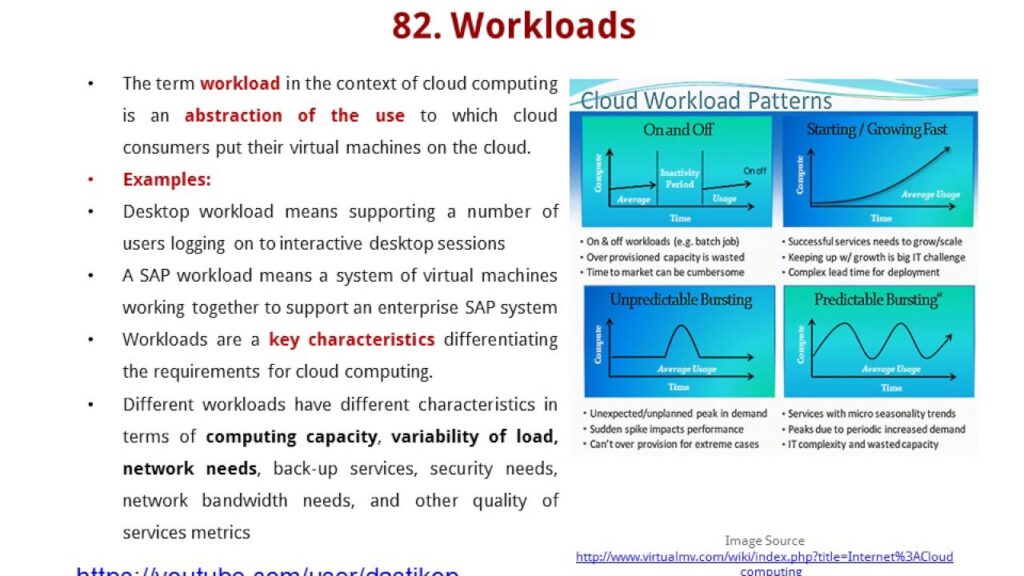
To accommodate the growing demand for AI workloads, cloud providers are expanding their data center capacity and offering specialized hardware like GPUs and custom chips, albeit at a higher cost. The pricing models for cloud services have become intricate, encompassing charges for storage, compute, data transfer, model training time, and inference use, making it challenging for businesses to forecast and manage expenses. As a result, cloud spending has become an integral part of core operating costs, with companies committing substantial sums to maintain and scale their AI systems.
Omdia projects a further 27% increase in cloud infrastructure spending in 2026, potentially surpassing US$500 billion in total annual expenditure. IT teams are now tasked with closely monitoring usage patterns, optimizing workloads, and determining the most suitable environment for different parts of an application. Some organizations are exploring hybrid setups, distributing workloads between private systems and cloud platforms.
The rise in cloud spending has raised concerns about long-term cost management, especially as AI tools can introduce expenses that are hard to track. Companies are reevaluating their cloud strategies, diversifying workloads across multiple platforms to reduce dependency on a single vendor, albeit adding complexity in the process. Cloud providers are introducing new pricing options and cost management tools to help businesses track and control their expenditures efficiently.
As cloud platforms become indispensable for running modern applications, cloud companies emphasize AI as a significant driver of infrastructure demand. The symbiotic relationship between AI adoption and cloud utilization is poised to strengthen further as AI permeates various industries, reshaping the purpose and budget allocation for cloud infrastructure.
(Photo by 金 运)
See also: Cloud demand shifts toward AI as enterprise use deepens
Want to learn more about Cloud Computing from industry leaders? Check out Cyber Security & Cloud Expo taking place in Amsterdam, California, and London. The comprehensive event is part of TechEx and is co-located with other leading technology events, click here for more information.
CloudTech News is powered by TechForge Media. Explore other upcoming enterprise technology events and webinars here.