The rapid expansion of AI systems is driving up the demand for power in data centers, highlighting a previously overlooked challenge in cloud computing: access to sufficient power. A recent partnership between Oracle and Bloom Energy aims to deploy up to 2.8 gigawatts (GW) of fuel cell capacity to support the growth of data centers, as stated by Bloom Energy.
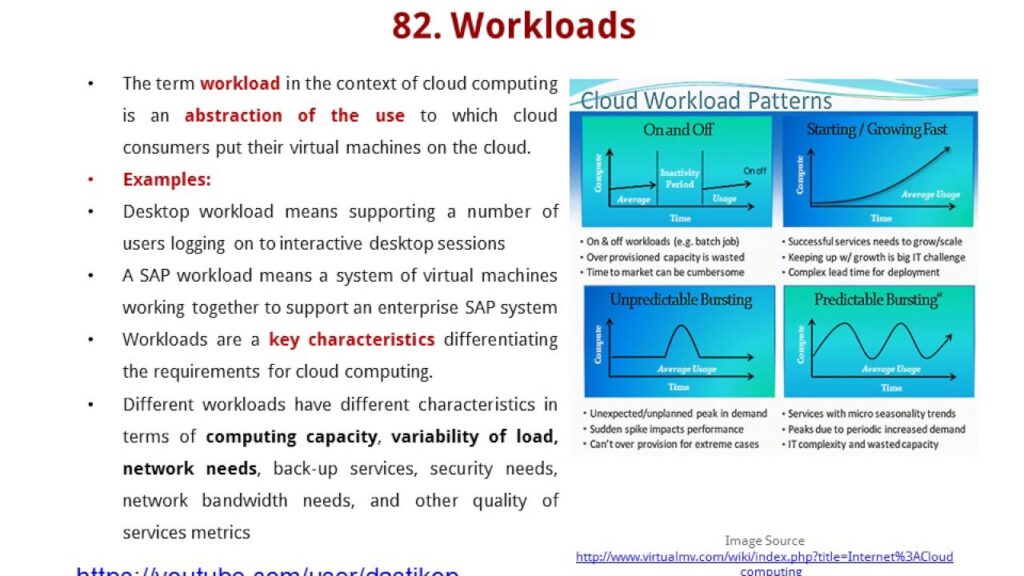
AI systems consume significantly more energy than traditional workloads, particularly during model training and inference processes that require clusters of GPUs to run for extended periods. This increased electricity consumption also leads to higher cooling requirements. Oracle is collaborating with Bloom Energy to incorporate fuel cells into its data center strategy, although specific deployment timelines have not been disclosed.
Data center electricity usage has been rising at a faster rate than overall power demand, according to the International Energy Agency (IEA). In some regions like the US and Europe, utilities have expressed concerns about meeting the power needs of new data center projects without infrastructure upgrades. Grid connection delays can impede expansion plans, with additional load connections often requiring new transmission lines and substation upgrades that can take several years to complete.
Fuel cells offer a reliable power source that can be deployed in modular units, allowing for incremental capacity expansion alongside data center growth. Bloom Energy’s solid oxide fuel cells operate through an electrochemical process rather than combustion, achieving an electrical efficiency of 54% to 60%, comparable to large gas-fired power plants. Combined heat and power configurations can further increase total efficiency to over 80%.
Cloud providers are now competing for power resources as they do for hardware, influencing data center location decisions and deployment speed. On-site power generation, renewable projects, and long-term power supply agreements are becoming more prevalent strategies. While most current fuel cell deployments rely on gas, some companies are exploring alternative fuel sources like nuclear, solar, and wind power to reduce costs and emissions.
As AI workloads continue to expand, energy consumption in data centers raises environmental concerns. Renewable energy projects play a crucial role in cloud strategies, with long-term agreements for solar and wind power being common choices. Balancing reliable base load power from sources like fuel cells with renewable energy sources can help offset emissions over time.
In addition to compute capacity, energy supply is emerging as a critical constraint for data center growth. By investing in on-site power generation, companies are addressing a key challenge that goes beyond traditional cloud architecture considerations.
(Photo by Alexandre Viard)
Want to learn more about Cloud Computing from industry leaders? Check out Data Centre Expo taking place in Amsterdam, California, and London as part of TechEx. Explore other upcoming enterprise technology events and webinars powered by TechForge Media here.