The engineering work begins at the gap between promising pilot and production rollout, according to a panel at Advantech’s Edge AI Conference.
When it comes to “edge AI,” engineers are focused on building real-world systems that differ greatly from research demos. The recent Edge AI Conference at Advantech featured a panel with Ed Doran, PhD, VP of Strategy at the Edge AI Foundation; Umang Garg, Managing Director at Nagarro; and Richard Huang, Chief Software Architect at Advantech. The panel delved into the technical aspects of edge deployment, cutting through the hype surrounding the topic.
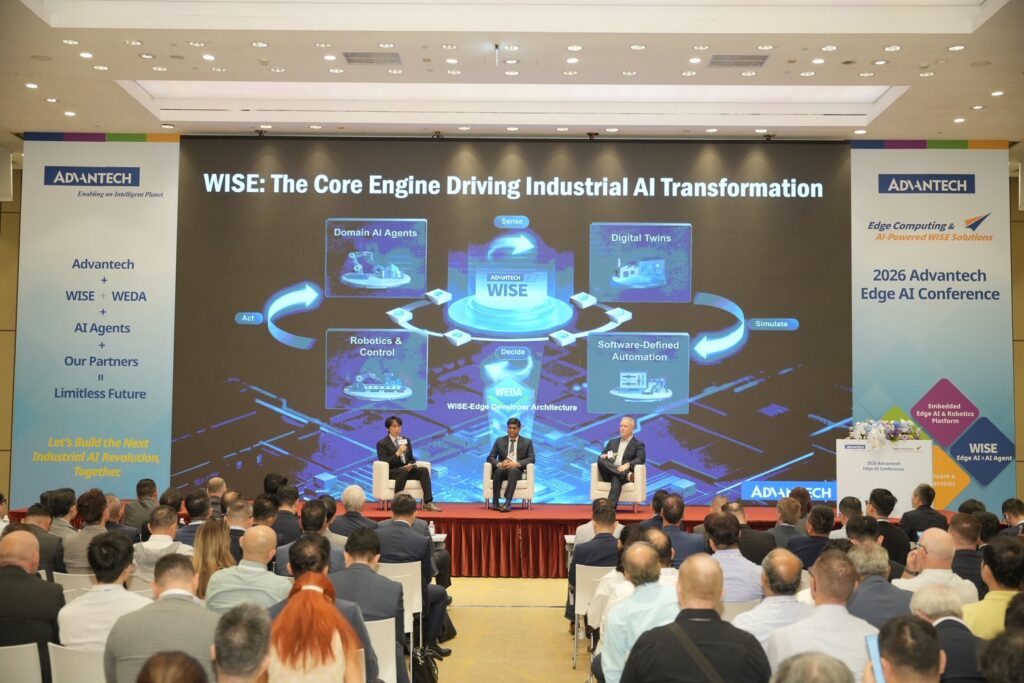
The discussion highlighted the challenges of edge AI, emphasizing that it involves extending centralized intelligence into environments with real constraints such as limited bandwidth, tight power budgets, and security boundaries. This complexity deepens when physical AI, which combines edge AI with robotics and autonomous systems, is introduced. The panel also addressed the importance of architecture decisions in the success of edge deployments.
Umang Garg shared insights from Nagarro’s experience with industrial edge deployments, pointing out common failure points that hinder production rollout. These include challenges related to solution strategy and enterprise integration, which are crucial for scaling edge AI solutions.
Edge AI is not one problem. It’s dozens of constrained optimization problems sharing a name.
Garg illustrated the gap between pilot success and production reality with a machine manufacturer case study, showcasing the benefits of edge-based predictive analytics and real-time telemetry in reducing maintenance time. Richard Huang discussed the cross-platform challenge in edge deployments and how Advantech’s WISE platform simplifies the migration of AI workloads across different silicon targets.
The panel emphasized the importance of AI agents in enabling intelligent actions in real-time without relying on cloud connectivity. The discussion concluded with the recognition that building stable AI agents for industrial stacks is essential for trust in the field, indicating progress in solving these challenges.
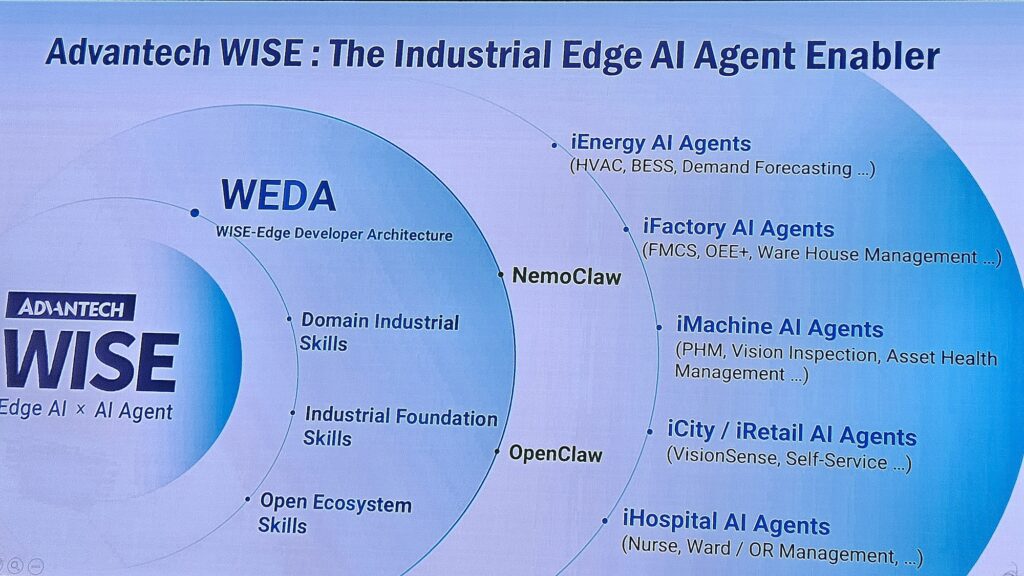
The panel’s insights underscored the importance of building stable AI agents for industrial applications, signaling progress in addressing the challenges of edge AI deployment.
Filed Under: AI Engineering Collective, Communications, Featured