I recently received an intriguing newsletter titled “6G Is Coming … Are You Ready?” which sparked my interest. The newsletter promoted a slide deck discussing the future of mobile connectivity with 6G, authored by two reputable engineers. However, I was surprised to find that the subject line did not correlate with the content of the newsletter itself.
The question arises, what exactly should we be prepared for with 6G? As discussions around 6G capabilities are still ongoing, it is evident that the industry is looking to rectify the unmet expectations of 5G with the upcoming 6G technology. The focus is now shifting towards the physical layer of 6G, posing challenges that engineers need to address.
Despite the initial hype around technologies like the Metaverse, the landscape of 6G is constantly evolving. AI is set to dominate the future of wireless networks, with potential applications in radio functions, network efficiency, and private network enhancements. The integration of AI could revolutionize various industries, from predictive maintenance in factories to logistics management.
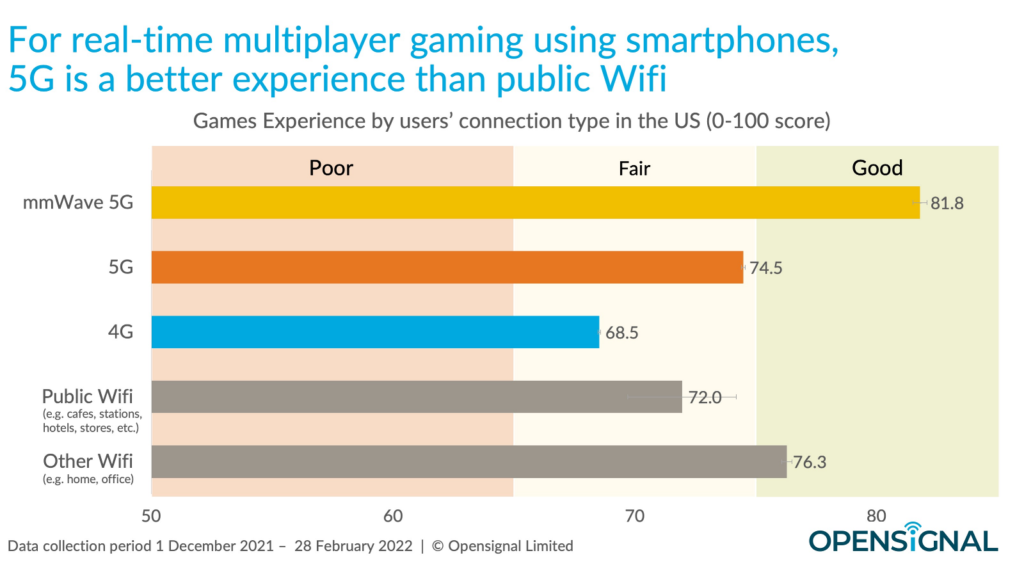
While mmWave technology promised high-speed downloads, its limitations in transmission distance and penetration capabilities have hindered widespread deployment. However, mmWave is finding niche applications in private networks and fixed-wireless internet access. The initial discussions around sub-THz frequencies have waned, but research at universities continues to explore new possibilities for faster data speeds.
Energy efficiency, another early topic in 6G discussions, remains a critical aspect of network sustainability. Integrated sensing and communication (ISAC) has emerged as a promising technology, enabling efficient resource utilization and creating new use cases for cellular networks.
As 6G progresses, engineers are tasked with developing new semiconductors, systems, and test equipment to support the evolving network infrastructure. Test equipment will need to adapt to new frequencies, such as the Frequency Range 3 (FR3), expanding the capabilities of cellular networks.
The transition from 5G to 6G will involve modifications to existing technologies, such as radio waveforms and MIMO capabilities. The integration of new features like Discrete Fourier Transform-Spread-Orthogonal Frequency Division Multiplexing (DFT-S-OFDM) for improved power efficiency and upload speeds will shape the future of 6G networks.
Channel coding, AI integration, and network optimization are key focus areas for the development of 6G technology. As discussions continue within the industry, the path to 6G deployment will require collaborative efforts and innovative solutions to meet the demands of future mobile connectivity.
In conclusion, the journey towards 6G is a complex and dynamic process that will redefine the future of wireless communication. Stay tuned as engineers and industry experts work towards shaping the next generation of mobile connectivity.