When it comes to hyperscale cloud, the marketing hype can make it seem like a no-brainer choice. However, the reality is quite different. Initially, hyperscalers like AWS, Azure, and GCP aimed to offer simple and easy-to-use services. But over time, these platforms have become increasingly complex, often requiring specialized training from the start.
This growing complexity has led many businesses to rethink their use of hyperscale cloud in favor of alternative solutions like colocation and bare metal hosting. In fact, a staggering 94% of large US organizations have initiated cloud repatriation projects in the last three years.
The reality of hyperscale cloud
There is a common misconception that hyperscale cloud platforms are designed to meet specific needs. In truth, these platforms often create needs around their products. With a wide array of services ranging from platform-as-a-service to software-as-a-service, navigating hyperscale cloud environments can be challenging for the average user.
Building infrastructure around proprietary products and services can lead to vendor lock-in, making it difficult to switch providers when costs escalate or services underperform. Free credits from hyperscalers may be enticing initially, but once they expire, businesses can face substantial bills.
Furthermore, support services from hyperscalers are often lacking, with businesses struggling to receive the attention they need without paying extra premiums. Many organizations find themselves locked into expensive contracts with limited technical support.
When to choose hyperscale cloud
Despite its drawbacks, hyperscale cloud can be the right choice in certain scenarios. For startups with limited budgets, investing in hardware may not be feasible, making free credits from hyperscalers a valuable resource. However, it’s crucial to avoid architectural decisions that tie your business to a specific provider.
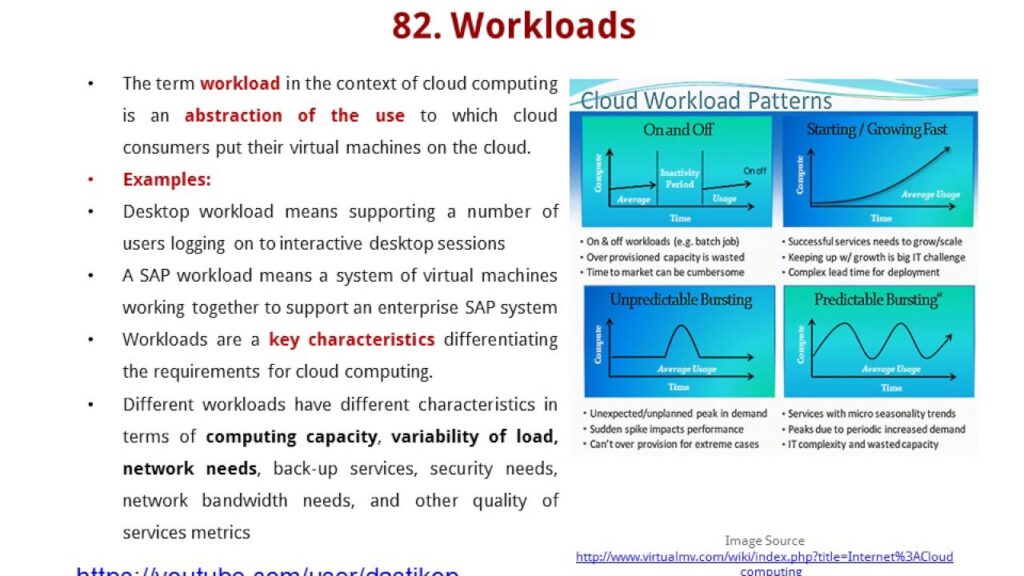
Businesses with unpredictable scaling requirements, such as Netflix, can benefit from hyperscale cloud’s ability to handle sudden spikes in demand. In most cases, a hybrid infrastructure combining hyperscale cloud with bare metal or colocation is the most cost-effective option.
Exploring alternative infrastructure solutions
While hyperscale cloud has its advantages, businesses should consider other infrastructure options like bare metal hosting and colocation. Diversifying compute types based on location can help optimize costs and performance.
Interested in learning more about cybersecurity and cloud technology? Attend the Cyber Security & Cloud Expo event in Amsterdam, California, or London.
Discover upcoming enterprise technology events and webinars hosted by TechForge here.