As the telecom industry shifts its focus towards 6G, engineers are emphasizing the need for more targeted technology compared to 5G. Energy efficiency, spectrum availability, and AI are highlighted as key requirements for the development of 6G. Four engineers who participated in the March 3GPP meeting in Korea shared their insights with EE World. Here’s a summary of their perspectives:
Opinions on the success of 5G vary among industry experts. With discussions on 6G gaining momentum, the industry is gearing up for the upcoming 3GPP Release 21, expected to launch later this decade. Stephen Douglas from Spirent, Milind Kulkarni from InterDigital, Paul Harris from Viavi, and Juan Montojo from Qualcomm, all attendees of the 3GPP workshop in March 2025, shed light on various issues that emerged during the event. One major takeaway was the realization that 5G attempted to cater to a wide range of applications, leading to complexity that 6G needs to address. Additionally, there’s a growing demand for new features in the upcoming 6G technology.
Key Aspects of 5G
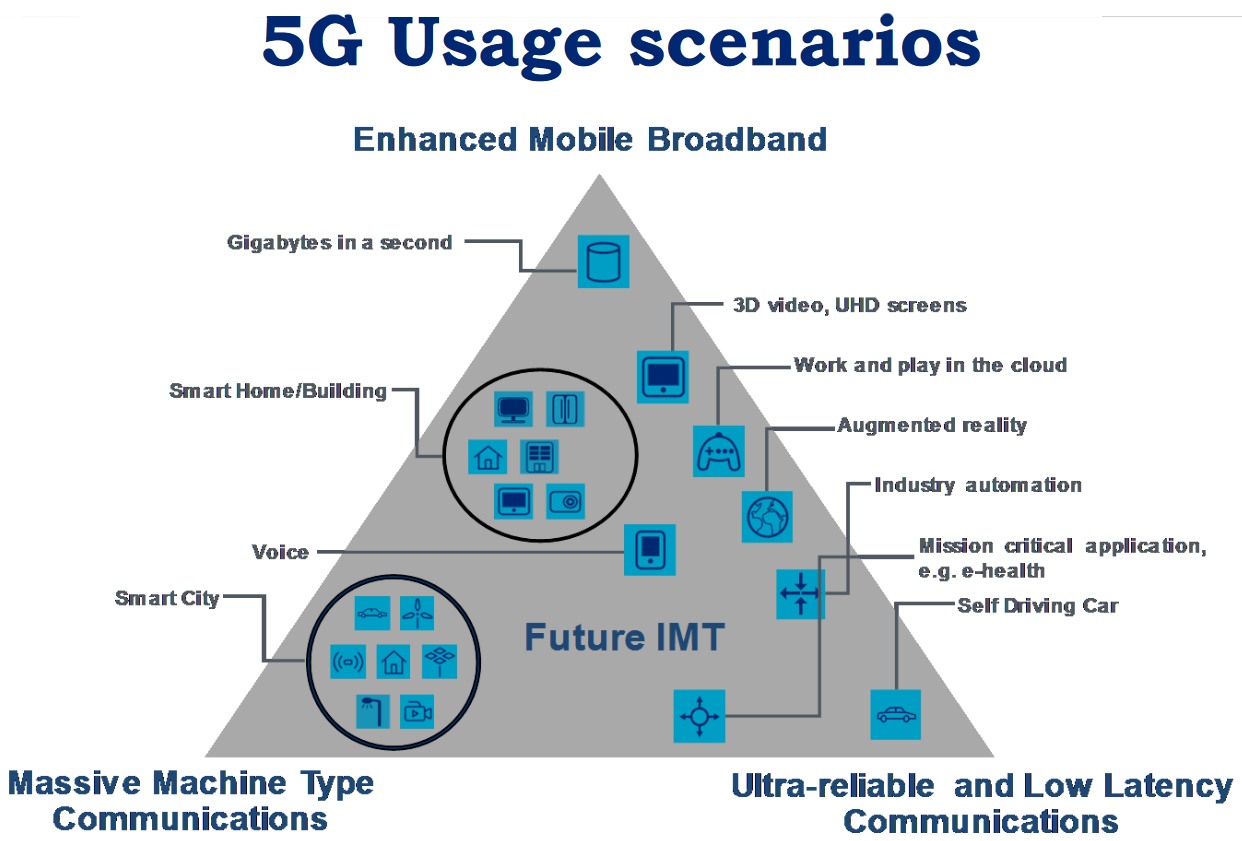
Figure 1. 5G use cases focused on enhanced mobile broadband, machine-to-machine communications, and ultra-reliable low-latency communications. (Image:)
5G promised faster download speeds compared to LTE, with enhanced mobile broadband (eMBB), ultra-reliable low-latency communications (URLLC), and machine-to-machine communications (MTC) being key features. The introduction of 5G New Radio (5G NR) and a new core network facilitated these advancements.
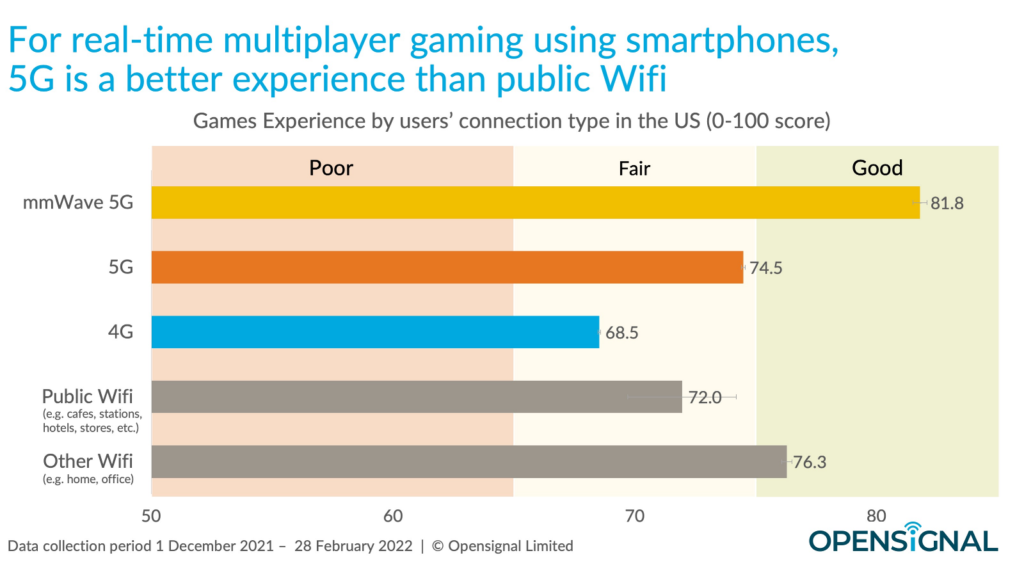
However, the initial implementation of 5G, particularly with mmWave frequencies, faced challenges such as deployment costs and limited coverage. As a result, the focus shifted towards optimizing energy efficiency, exploring new use cases, and enhancing network capabilities beyond eMBB.
Discussions at the workshop highlighted the importance of addressing energy efficiency in 6G right from the design phase. AI was identified as a crucial tool for optimizing energy usage in networks and devices, leading to more sustainable operations.
Redefining Radio Architecture for 6G
The transition from 4G to 5G brought significant changes in radio architecture, particularly with the adoption of OFDM. While discussions on 6G radio architecture are ongoing, there’s a consensus on prioritizing energy efficiency over sheer performance enhancement. The evolution of OFDM and potential new functionalities are expected to shape the radio technology for 6G, with a strong emphasis on sustainable operations.
Enhancing spectral efficiency and exploring new frequency bands like FR3 (7 GHz to 24 GHz) emerged as key considerations for 6G development. The industry’s continued quest for spectrum availability underscores the need for innovative solutions to meet the growing demand for wireless connectivity.
Embracing New Features and AI Integration
With a shift towards business-centric use cases, 6G is expected to introduce new features like Integrated communication and sensing (ISAC), immersive communication, and ubiquitous connectivity. These features aim to revolutionize user experiences and enable seamless connectivity across diverse environments.
The integration of AI into all aspects of the network, especially in the core and radio segments, is set to redefine network operations. AI-driven intelligence and data analytics will play a pivotal role in optimizing network performance and enhancing user experiences in the 6G era.
Looking Ahead to 6G
As the industry prepares for the transition to 6G, the focus remains on striking a balance between simplicity and innovation. While there’s a growing demand for advanced features and services, the industry is also mindful of the need for streamlined network operations and cost-effective solutions.
6G is poised to bring about significant transformations in wireless technology, with a strong emphasis on sustainability, energy efficiency, and AI integration. The convergence of these factors is expected to shape the future of telecommunications and pave the way for a new era of connectivity.
Transitioning Towards a New Era
With the evolution of 6G on the horizon, the industry is gearing up for a paradigm shift in wireless communication. The integration of advanced technologies, the optimization of network performance, and the seamless integration of AI are set to redefine the way we connect and communicate in the digital age.
As we embark on this journey towards 6G, the possibilities are endless, and the potential for innovation is limitless. Stay tuned for the next chapter in the evolution of wireless technology.
Filed Under: 6G, AI/ML, Featured, mm Wave, mmWave, Satellite Comms, Sustainability, URLLC