Broadcom has officially launched VMware Cloud Foundation (VCF) 9.0, introducing updates designed to simplify the management of private cloud environments. The new modular design of VCF 9.0 focuses on automation and API access to enhance cost efficiency and performance. Broadcom aims to bridge the gap between private and public clouds, enabling private cloud setups to be more scalable and easier to deploy.
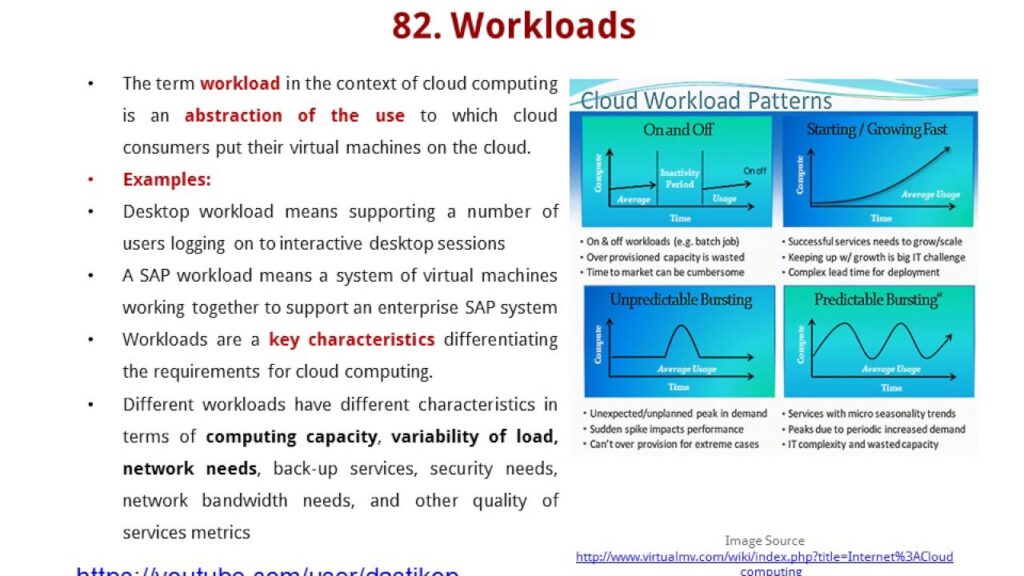
According to Broadcom’s research, there is a growing trend towards the use of private clouds, with many businesses migrating workloads back from public clouds due to inefficient spending. The company found that a significant portion of public cloud budgets were being wasted, prompting a shift towards a “cloud smart” approach that prioritizes private cloud utilization.
VCF 9.0 offers tools to streamline setup processes and enhance control for IT administrators and developers. The platform includes a Quick Start App for simplified setup and centralized management of access policies and logs. Additionally, cost tracking features allow users to monitor infrastructure usage, forecast future needs, and manage budgets effectively. The platform also supports patching, compliance checks, and upgrades across multiple clusters from a single dashboard.
For developers, VCF 9.0 provides a seamless experience with self-service tools and APIs for infrastructure management. The platform accommodates both virtual machines and containers, with built-in support for Kubernetes services. The inclusion of features for running AI and machine learning workloads with minimal performance impact further enhances the platform’s capabilities.
Updates to Broadcom’s vDefend security platform and Avi Load Balancer are also being rolled out alongside VCF 9.0. These updates include self-service microsegmentation, threat detection, multi-tenant support, and improved integration with infrastructure automation.
Overall, Broadcom’s VCF 9.0 release signifies a strategic shift towards a more comprehensive software-based foundation for data centers, capable of meeting the demands of modern workloads like AI and containers, as well as stricter compliance standards.