Unveiling the Unseen: Uncovering Hidden Dangers
Industries with high-risk profiles such as manufacturing, construction, logistics, and utilities are rife with hidden hazards. Safety managers often ponder: “How do we keep experiencing the same incidents, right in front of us?”
The answer may not lie in what workers fail to notice, but in what they see too frequently. When hidden hazards are part of the daily landscape, they tend to blend in. This phenomenon is known as familiarity bias, where known risks are brushed aside simply because they are no longer new.
For instance, a cord constantly stretched across a walkway or a tight corner on a loading dock with limited clearance. Workers may acknowledge the risk and discuss it, but as time goes by, it fades into the background until an incident occurs.
This is the challenge of blind spots that hidden hazards pose.
Unmasking the Scope of Hidden Hazards
The International Labour Organization (ILO) estimates that over 374 million non-fatal work injuries occur globally every year. Many of these injuries are not due to new risks emerging, but rather because old risks were disregarded or normalized.
In traditional safety management, these risks often go unnoticed until an injury or audit brings them to light. This is because:
- Manual inspections only capture brief periods of activity.
- Shift changes lead to inconsistent supervision.
- Reporting systems depend on human awareness and willingness to speak up.
This is where AI Vision brings about a significant change.
Introducing AI Vision
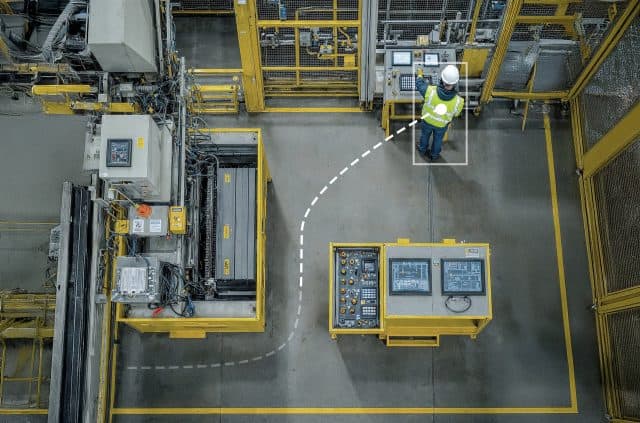
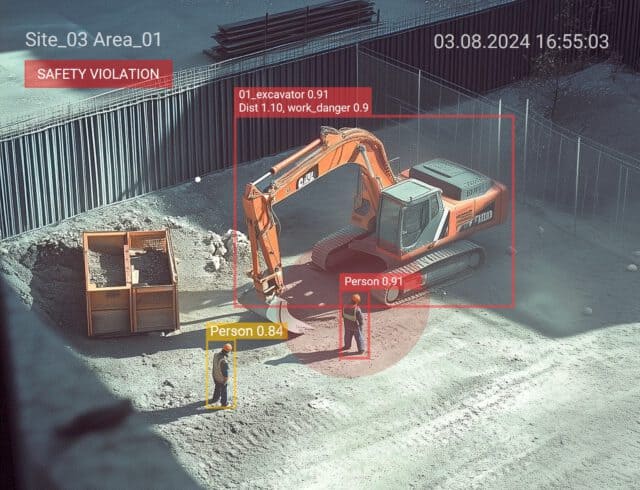
AI Vision utilizes artificial intelligence to analyze live video feeds from CCTV or industrial camera systems. It goes beyond mere recording; it interprets. By applying computer vision models to typical workplace scenarios, it can identify:
And unlike humans, it doesn’t fatigue, overlook details, or blink.
Eradicating Blind Spots and Uncovering Hidden Hazards
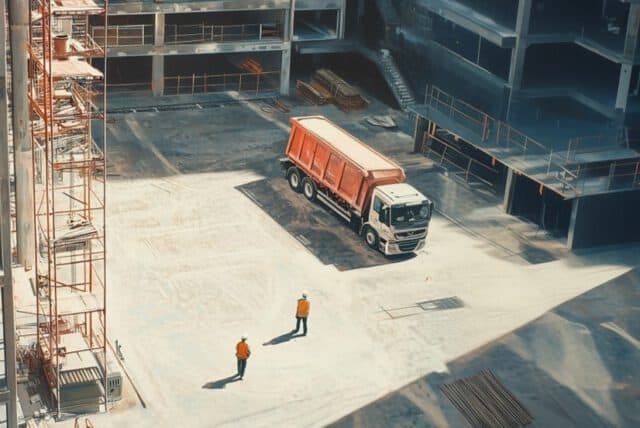
AI Vision systems are designed to operate on existing CCTV infrastructure, eliminating the need for new camera installations or operational halts. Within a few days of deployment, a plant or facility can start receiving real-time safety alerts and visibility dashboards.
Here’s the transformation AI brings to your safety arsenal:
- Visible unseen risks: common issues like obstructed exits or frequent shortcuts are flagged instantly when they occur
- Revealing patterns: AI not only detects individual violations but also recurring behaviors across time and locations
- Mapping hotspots: dashboards highlight areas with high-risk concentrations, exposing design flaws or supervision gaps
This ongoing visibility shifts safety from reactive to proactive.
Measurable Outcomes
Organizations leveraging AI Vision consistently witness enhancements across multiple metrics. Based on compiled case studies:
- 40–60% decrease in incident frequency in the first year
- 25% rise in proactive interventions by EHS teams
- Up to 50% reduction in near-miss incidents, once they are visible and actionable
Importantly, these outcomes not only safeguard individuals but also operations:
- Reduced injuries lead to fewer disruptions
- Enhanced compliance ensures smoother audits
- Enhanced data facilitates informed decisions
Real-time Insights for Immediate Interventions
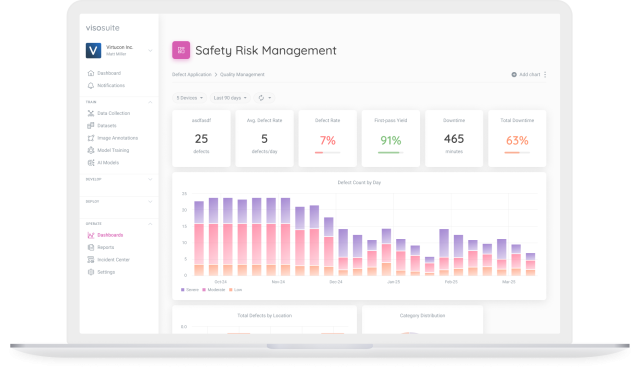
One of the standout features of AI Vision platforms is their ability to transform video data into live operational dashboards. These dashboards offer:
- Event logs categorized by severity and location
- Activity and risk zone heatmaps
- Trend lines for comparing risk profiles week over week
- Clip libraries for safety briefings and root-cause analysis
This shifts safety from a static checklist exercise to a dynamic, data-driven function.
From Alert to Action: Cultivating a Safety Culture
One of the unexpected outcomes of adopting AI Vision is cultural transformation.
When employees observe consistent, fair safety alerts that are not personalized or punitive, they develop trust in the system. By showcasing brief clips during toolbox talks that illustrate how minor actions can prevent major consequences, leaders encourage workers to rethink everyday risks.
AI doesn’t replace humans; it empowers them. It serves as a digital assistant for health and safety professionals, supervisors, and frontline workers.
Swift Deployment, Easy Expansion
Unlike significant capital investments, AI Vision systems are:
- Quick to deploy (operational within days)
- Infrastructure-independent (compatible with current cameras)
- Scalable (manage multiple sites from a central dashboard)
They are particularly suitable for multi-site manufacturing, waste management fleets, large-scale logistics, and diverse construction environments.
Final Reflection: Seeing is Preventing
Hazards need not be novel to be perilous. In reality, it’s the familiar risks – those we encounter daily – that demand urgent attention.
With AI Vision, we now possess a means to overcome our blind spots. Not by looking harder, but by seeing smarter.