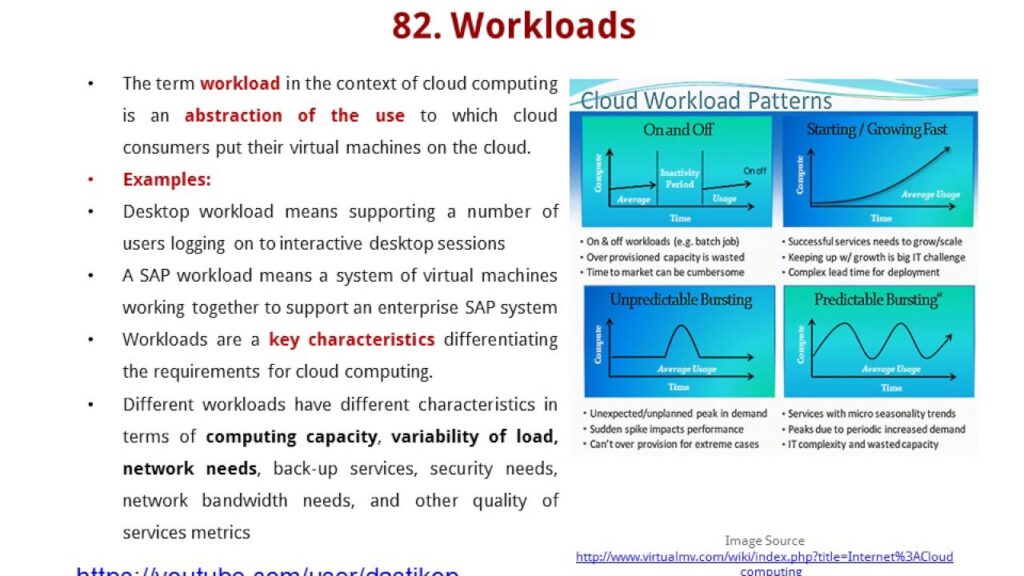
NTT Global Data Centres (GDC) is navigating the evolving landscape of data centre operations with a keen focus on sustainability and performance optimization for AI workloads. In their recent Global Sustainability Report, CEO Doug Adams emphasized the importance of aligning technological progress with environmental and social responsibility. The company’s commitment to a sustainable AI revolution is evident in their ethos of ‘people, planet, prosper’.
Neal Kalita, senior director of power and energy at NTT GDC, brings his expertise in real estate and renewable energy to the forefront of the data centre industry. As AI workloads continue to drive increased power demands, Kalita recognizes the challenges and opportunities presented by the unpredictable nature of AI technologies. Collaboration between data centre providers and network grid operators will be crucial in navigating the evolving legislative landscape and meeting sustainability goals.
NTT GDC has implemented innovative solutions such as liquid cooling and AI-optimized operations to better support customer needs and adapt to the variability of AI workloads. Kalita highlights the importance of smart grid partnerships and modular design in supporting demand-side response and enhancing grid resilience.
Speaking at the Data Centre Expo Europe, Kalita delves into the transformative impact of the AI ‘tsunami’ on modern data centres. He underscores the shift from predictability to volatility and emphasizes the need for collaboration and resilience in adapting to these changes.
As the data centre sector undergoes fundamental changes, NTT GDC remains at the forefront of innovation and sustainability. Their proactive approach to addressing the challenges of AI workloads and sustainability sets a precedent for the industry as a whole.
This article has been seamlessly integrated into a WordPress platform, preserving the original HTML tags, images, and key points while providing a unique perspective on the evolving data centre landscape.