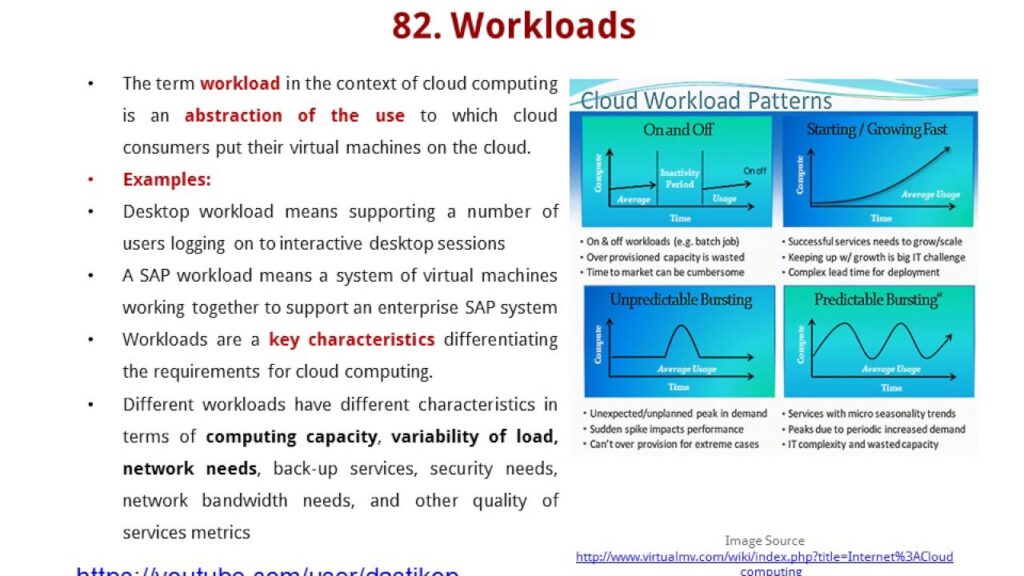
Google Cloud has secured another significant contract to provide secure cloud services to a military agency, following a similar deal with the UK Ministry of Defence earlier this year. The Nato Communication and Information Agency (NCIA) will utilize Google Distributed Cloud (GDC), an air-gapped system designed for workloads that require stringent data controls and security measures.
The agreement with NCIA will allow the organization to leverage GDC for running modern AI and analytics workloads on sensitive data while ensuring operational control and meeting digital sovereignty requirements. This multimillion-pound contract aims to enhance NATO’s digital systems by enhancing data governance and accessing advanced cloud and AI capabilities.
The NCIA plans to implement GDC at its Joint Analysis, Training and Education Centre (JATEC) to modernize operations and process classified information securely. Google Cloud’s President in Europe, the Middle East, and Africa, Tara Brady, emphasized the company’s commitment to helping defense agencies protect critical data.
NCIA’s Chief Technology Officer, Antonio Calderon, highlighted the agency’s goal of adopting next-generation tools like AI to enhance operations and safeguard systems. The partnership with Google Cloud is a crucial aspect of NCIA’s digital transformation strategy, ensuring a secure and scalable cloud environment for JATEC.
In addition to the NCIA contract, Google Cloud recently signed a £400 million deal with the UK MoD to provide GDC services. This strategic agreement reflects Google Cloud’s efforts to reduce the government’s reliance on traditional tech suppliers.
Furthermore, NATO has engaged with other major cloud providers, including Oracle, for moving mission-critical workloads to Oracle Cloud Infrastructure. The organization also announced plans to collaborate with Oracle on a secure 5G network for research at its Cooperative Cyber Defence Centre of Excellence (CCDCOE).
These partnerships demonstrate NATO’s commitment to leveraging sovereign cloud solutions from multiple providers to enhance cloud infrastructure and advance secure 5G research simultaneously.