Cloud technology has become essential for the evolution of action RPGs, not just for high-end graphics but for stable, persistent online worlds. Diablo 4 exemplifies this shift, combining fast combat with a dynamic environment powered by distributed backend systems. Everything in the game, from world events to item validation, relies on the smooth functioning of the cloud layer.
Understanding how Diablo 4 utilizes scalable infrastructure offers insight into how cloud orchestration and real-time data processing are shaping the future of online gaming.
Cloud-Driven World Streaming and Real-Time Synchronization
One of the major technical advancements in Diablo 4 is its fully connected overworld. Rather than segmented zones, players navigate through continuously updating environments. Enemy encounters, weather changes, public events, and world boss timers are all managed through cloud coordination. Servers adjust local states based on client requests, creating a seamless experience for players.
This setup eliminates traditional boundaries seen in older ARPGs, requiring efficient communication between server clusters and player devices. Diablo 4’s smooth performance during intense encounters is a result of intelligent distribution of compute processes across multiple data centers.
Item Generation, Validation, and Backend Logic
Loot distribution in Diablo 4 has evolved to incorporate server-side validation for fairness, exploit detection, and item integrity. Drop tables, affix logic, and rarity calculations are all processed through backend systems. This persistent and globally tuned system has sparked discussions among players about optimization and the influence of server-side item logic on gameplay.
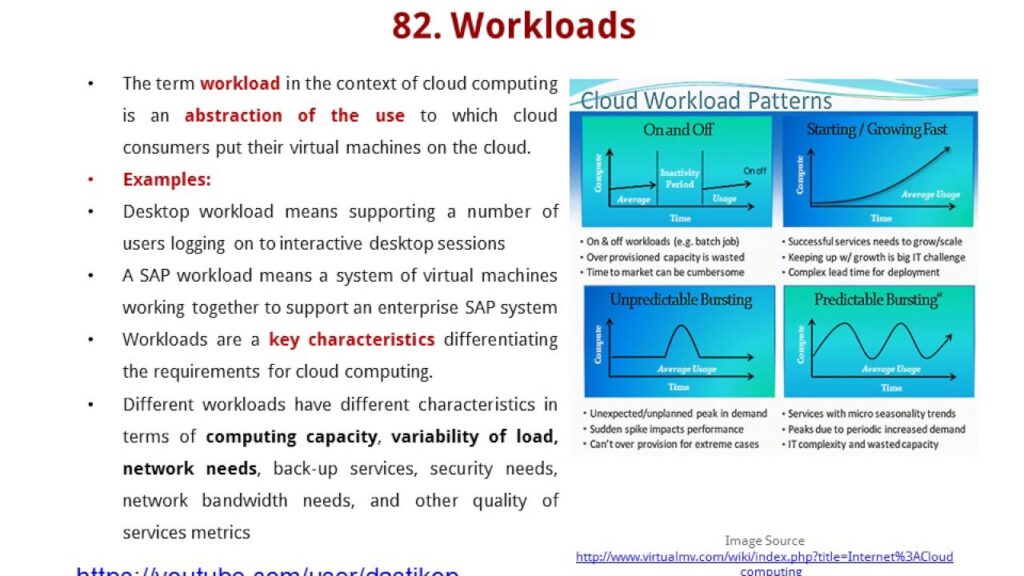
Dynamic matchmaking in Diablo 4 is powered by distributed cloud systems, allowing for regional allocation based on latency, load, and population density. Cloud technology scales instances during activity surges and reduces them during off-peak hours to maintain responsiveness and prevent server overload.
Diablo 4’s reliance on cloud integration introduces new dependencies, such as gameplay interruptions due to backend service outages. While cloud convenience offers benefits, the long-term preservation of games heavily reliant on cloud infrastructure raises concerns about functionality if backend systems are retired or altered.
The Future of ARPG Infrastructure in Diablo 4
Diablo 4 showcases how cloud architecture is integral to modern multiplayer design, facilitating overworld management, item logic, matchmaking coordination, and exploit prevention. This not only gives developers more control but also ensures smoother cooperative experiences and consistent gameplay for players across different platforms and regions.
As more game studios adopt similar infrastructure, cloud computing will continue to shape loot distribution, world design, and overall gameplay experience. Diablo 4 serves as a blueprint for how cloud-powered systems will define the next generation of online action RPGs.
Image source: Unsplash