Many large organizations still have cloud computing operating in the background, supporting internal systems, analytics teams, and scaling storage as needed. However, the shift is now towards integrating cloud into the work itself, particularly in performance-critical environments such as Formula 1. Mercedes, for example, is utilizing cloud systems to make real-time decisions under pressure in the world of F1.
This move towards cloud integration is increasingly evident as performance-driven organizations transfer more critical workloads to the cloud. For instance, Mercedes-AMG Petronas in Formula 1 is expanding its use of cloud infrastructure to enhance race strategy, simulation, and data analysis for the upcoming 2026 season. The team is leveraging Microsoft’s Azure cloud and AI services to process vast amounts of data related to car performance, race conditions, and engineering decisions.
While Formula 1 may seem distinct from traditional enterprise sectors, Mercedes’ operational methods resemble those of many large companies. They operate complex systems, rely on real-time data, and make decisions under intense pressure. This makes Formula 1 a valuable case study for understanding how cloud is transitioning from back-office IT to the core of operations.
From support system to decision engine in F1 cloud operations
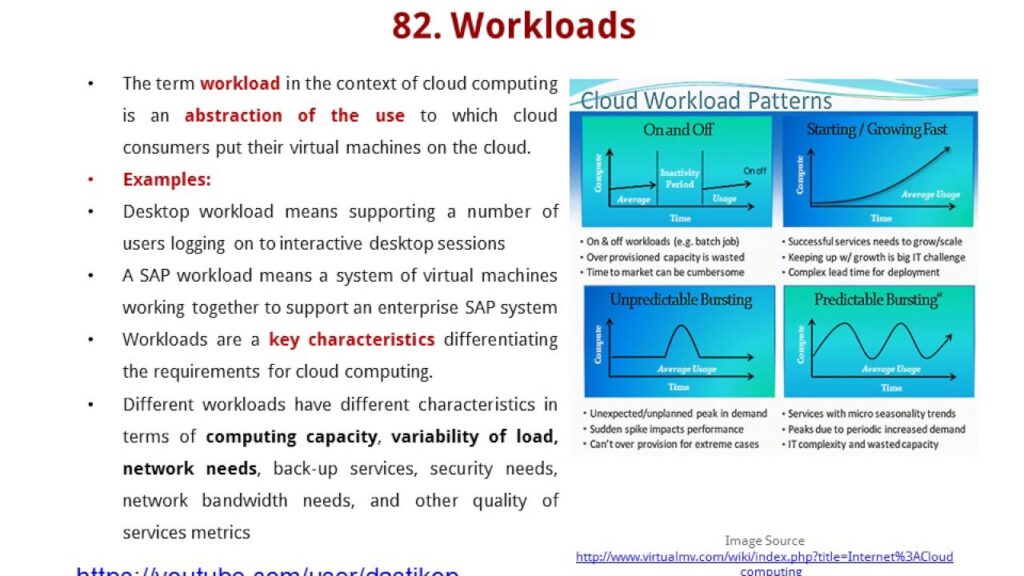
Modern Formula 1 cars generate massive amounts of data during race weekends, including telemetry, sensor readings, simulation outputs, and track conditions. Teams use this data to adjust strategies in real time, considering factors like tire wear, weather changes, and competitor behavior.
Cloud infrastructure now plays a crucial role in managing this workload. Instead of relying solely on on-site systems, teams can send data to the cloud, conduct simulations at scale, and share results with engineers and strategists. The value lies not just in speed but in the ability to test more scenarios quickly using shared data across locations.
This trend is mirrored in various large enterprises. Manufacturing firms use cloud-based simulation for production testing, logistics companies optimize routing decisions based on live inputs, and financial institutions continuously run stress tests and risk models.
Research from McKinsey indicates that companies combining cloud and advanced analytics are more likely to integrate data into daily decisions, rather than confining it to specialist teams. The same principle applies here, where cloud becomes an integral part of operational processes rather than just a storage location.
Why latency, reliability, and scale matter
What distinguishes these workloads from standard enterprise applications is their low tolerance for delays. In environments like racing or trading desks, late insights are often rendered useless. This holds true for supply chains and customer service operations as well, especially during demand spikes.
This scenario poses questions that many enterprises are grappling with. Can cloud systems consistently deliver performance under pressure? How should workloads be divided between on-premise systems, edge devices, and central cloud platforms? What protocols are in place for connectivity drops or system failures?
According to Gartner, by 2026, over 75% of enterprise data will be generated and processed outside traditional data centers or central clouds. This shift is driven by the need for faster response times and localized decision-making. Formula 1 teams are already operating in this manner, blending on-site systems with cloud resources to expand computing capacity as required.
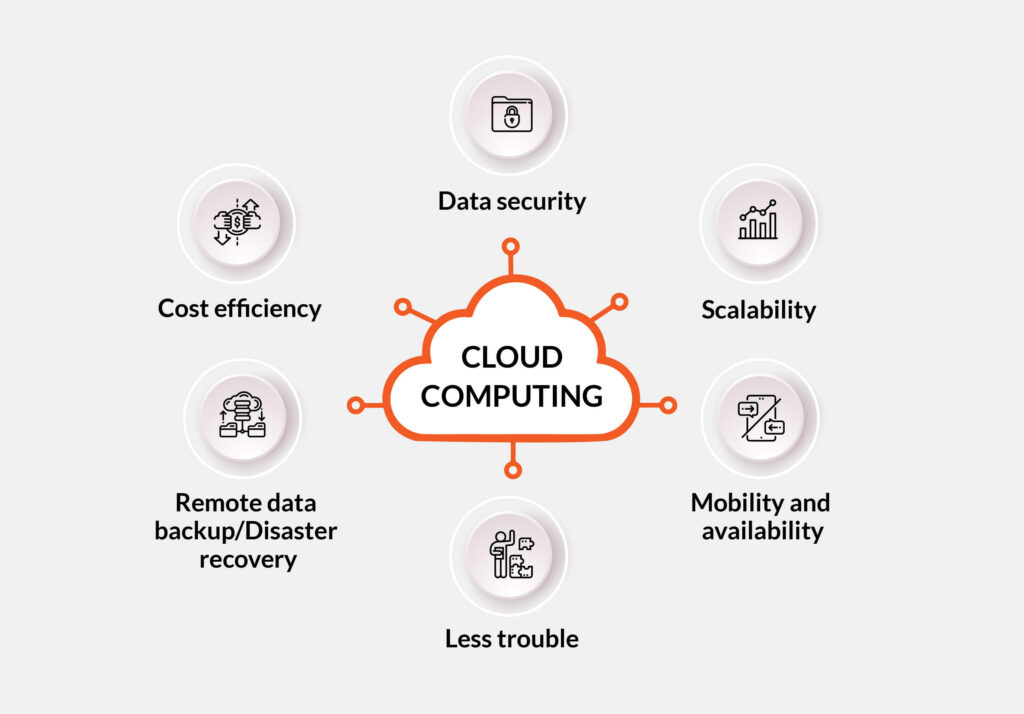
The Mercedes case illustrates that cloud adoption at this level is more about control than cost savings. Organizations want to determine which workloads should reside where based on performance requirements, not just following architectural trends.
Cloud as part of organizational design
Another key lesson for large enterprises is that cloud adoption extends beyond the IT department. Engineers, analysts, and strategists all rely on the same systems and data, necessitating shared standards, clear data governance, and trust in the tools used.
The World Economic Forum has highlighted the challenges organizations face when integrating cloud and AI systems without redesigning existing workflows. High-pressure environments accelerate the need for this redesign. Processes adapt out of necessity.
While industries outside of motorsport may face less visible pressure, the fundamental challenge remains similar. As cloud becomes more integral to operational decisions, failures become costlier, and governance becomes increasingly crucial.
What the Mercedes F1 case means for enterprise cloud strategy
For companies observing these developments, the key takeaway is not to mimic Formula 1’s technology choices but to understand how cloud is utilized in critical performance scenarios.
Firstly, cloud is now closely tied to decision speed, not just efficiency. Secondly, hybrid models are becoming the norm rather than a compromise. Lastly, the success of cloud implementation hinges on organizational alignment as much as technical design.
According to IDC, over half of large enterprises now base their cloud strategy on business resilience and operational flexibility, prioritizing these over cost reduction. This shift elucidates why cloud is penetrating areas previously deemed too sensitive or complex.
The Mercedes example fits into this broader trend. Cloud is no longer just a hosting platform but an integral part of organizational thinking, decision-making, and action — especially in high-stakes environments where margins for error are slim.
See also: Why cloud spending keeps rising as AI moves into daily operations

Want to learn more about Cloud Computing from industry leaders? Check out Cyber Security & Cloud Expo happening in Amsterdam, California, and London. This comprehensive event is part of TechEx and is co-located with other leading technology events. Click here for more details.
CloudTech News is powered by TechForge Media. Explore upcoming enterprise technology events and webinars here.