The competition to establish infrastructure for artificial intelligence is now expanding beyond the traditional strongholds of the United States and Europe. Asia is emerging as a focal point, with companies like Google making significant investments in data centers across the region.
Google’s planned investment of approximately US$15 billion in Andhra Pradesh underscores the magnitude and urgency of this expansion. According to a report by The Economic Times, construction is set to commence later this month, with the groundbreaking scheduled for April 28. Key executives, including CEO Thomas Kurian, are expected to be present at the event.
The project aims to create a 1 gigawatt (GW) data center hub spanning three campuses in close proximity to Visakhapatnam, encompassing Adavivaram, Tarluvada, and Rambilli. Local authorities have allocated over 600 acres of land for this development, as reported by The Economic Times.
Major tech players such as Amazon Web Services, Microsoft, and Google have been bolstering their presence in Asia in response to the region’s growing digital landscape. The establishment of new regions and expanded capacity signifies that growth in Asia is now a fundamental component of infrastructure planning.
One of the driving factors behind this expansion is the surge in digital activities throughout Asia. Countries like India, Indonesia, and Vietnam have experienced a rise in internet usage, cloud adoption, and online services. As enterprises transition more operations online and governments advocate for local digital infrastructure, the demand for storing and processing data closer to its source has intensified.
The need for lower latency in real-time workloads and the requirement for fast access to computing resources for AI applications have prompted cloud providers to develop more localized infrastructure. Amazon Web Services has introduced regions in Indonesia and Thailand, while Microsoft has expanded its footprint in Malaysia and Indonesia, positioning compute capacity closer to end-users rather than relying solely on distant data hubs.
Regulatory frameworks have also played a significant role in shaping the location of data centers. Many Asian governments have implemented data protection and localization laws that mandate certain types of data to remain within national borders, granting local authorities greater oversight. By establishing large-scale facilities locally, companies like Google can comply with regulatory requirements while meeting regional demand.
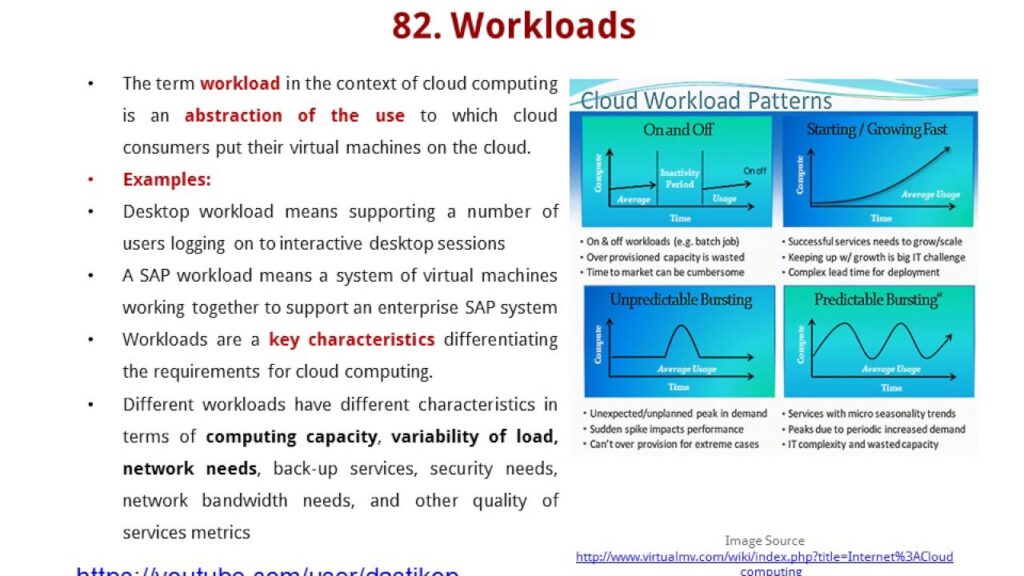
The surge in AI workloads has transformed the design requirements for data centers. Traditional cloud workloads focused on storage and general computing, whereas AI workloads demand more power and specialized hardware such as graphics processing units and accelerators. This shift has led to an increase in construction and operating costs, driving companies to seek locations with ample power supply at scale.
In line with the growing demand for data center infrastructure, the Andhra Pradesh hub is slated to become one of the largest data center clusters in Asia with a planned capacity of 1 GW. Moreover, the site is expected to be interconnected with global networks through subsea cable links to various countries, including Singapore, Malaysia, and Australia.
The availability of land at a lower cost in certain parts of India compared to major hubs in the United States or Europe, alongside government incentives to attract data center investments, has further fueled the development of projects like the one in Andhra Pradesh. As enterprise demand continues to propel data center growth in Asia, cloud providers are expanding regional capacity to cater to both global and local clients, offering services ranging from data storage to analytics and software platforms.
The International Energy Agency forecasts a significant increase in global data center electricity consumption, driven in part by AI workloads. Although this estimate encompasses all regions, Asia is projected to account for a growing share of this demand. The Andhra Pradesh project, developed in collaboration with partners like AdaniConnex and Bharti Airtel, signifies a strategic move by Google to capitalize on the burgeoning enterprise demand in the region.
Despite the rapid expansion of data centers in Asia, regions like the United States and Europe continue to remain significant players in the cloud infrastructure landscape. However, Asia’s combination of population growth, digital adoption, and policy support positions it as a key area for future development. Projects like the one in Andhra Pradesh highlight the pace at which investments in data center infrastructure can scale in the region.
Google’s extensive network of data centers across multiple countries is a testament to its commitment to meeting the evolving needs of its customers. The upcoming cluster near Visakhapatnam is poised to become Google’s largest data center in Asia, showcasing the company’s dedication to expanding its presence in the region.
While challenges related to power supply, water usage, land availability, and community concerns may arise, the trend toward placing infrastructure closer to areas of high demand driven by AI and cloud services is reshaping the cloud infrastructure landscape. This distributed model of cloud infrastructure, characterized by data centers strategically located across regions to address local requirements, signifies a shift away from centralized hubs serving the global market.
In conclusion, as the demand for cloud computing and AI services continues to grow, companies are strategically positioning infrastructure closer to areas experiencing heightened demand. Asia’s pivotal role in this network underscores the region’s increasing significance in the global cloud infrastructure ecosystem.
(Original article source: https://www.cloudcomputing-news.net/2025/12/14/google-to-begin-construction-on-15-billion-data-centre-in-andhra-pradesh/)