Large corporations are reevaluating their approach to running artificial intelligence workloads in the cloud, with Uber being a notable example as it expands its utilization of AWS chips to bolster its AI systems.
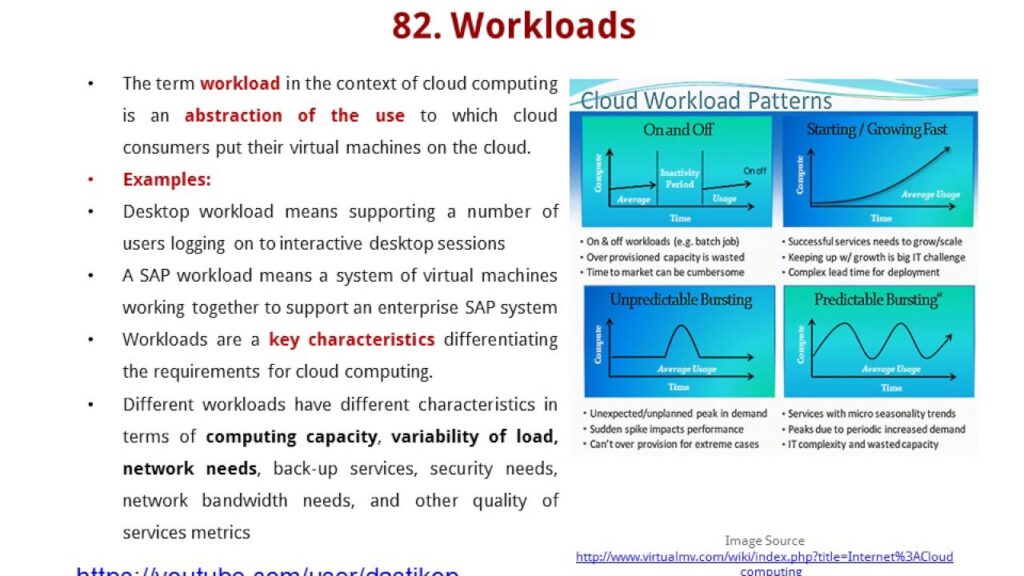
The shift is driven by AWS-designed chips like Graviton and Trainium. As reported by Reuters, Uber is ramping up its adoption of these hardware components to support AI models and backend systems for its ride-hailing and delivery platforms. These AI models play a crucial role in core functions such as matching riders with drivers, estimating trip durations, setting prices, and optimizing food delivery routes. Given the data-intensive nature of these tasks and the need for frequent updates, cloud costs can escalate rapidly.
Custom chips present a solution to mitigate cost pressures. AWS claims that Graviton can enhance price-performance metrics compared to traditional x86-based instances, while Trainium is engineered to reduce training expenses. By leveraging such hardware, companies like Uber can execute more AI tasks without a proportional increase in expenditure.
The adoption of alternative hardware aligns closely with Uber’s scale of operations. Operating across numerous countries and processing millions of transactions daily, even marginal improvements in efficiency can yield significant benefits.
According to Reuters, Uber is leveraging AWS chips to enhance both training and inference workloads. Training involves the process by which AI models learn from data, while inference pertains to how these models make decisions in real-time systems. Given that inference operations run continuously in production, efficiency gains are particularly valuable.
Chips like Trainium are optimized for high-throughput machine learning tasks, streamlining the time and cost required for model training. Graviton, based on ARM architecture, is commonly used for general workloads that benefit from lower power consumption and enhanced cost control. Together, these chips offer enterprises a broader array of options for running AI systems in the cloud.
Cloud strategies are evolving in tandem with these hardware advancements. Companies are taking a more hands-on approach to structuring workloads, from selecting instance types to fine-tuning models for specific chips while balancing cost and performance considerations.
While the utilization of custom silicon can enhance efficiency, it also introduces complexity. Developers may need to adapt software for ARM-based processors or specialized AI chips, necessitating closer collaboration with cloud service providers.
The rising prominence of AI workloads across various industries underscores the importance of managing the costs associated with these systems. Custom chips represent a viable response to this challenge, with cloud providers like AWS developing their own processors to exert greater control over pricing and performance.
Uber’s embrace of AWS chips exemplifies how organizations are navigating the trade-offs between cost and flexibility in cloud computing. Rather than pivoting away from cloud services, Uber is embracing specialized cloud hardware to power critical AI-driven functions within its platform.
As cloud costs continue to escalate, companies are compelled to rethink their workload management strategies. While custom chips may not entirely supplant general-purpose compute resources, they are increasingly becoming an integral component of the technology mix.
Uber’s strategic shift epitomizes the broader trend in enterprise cloud utilization, emphasizing the imperative of running workloads with greater efficiency. Achieving this balance between cost and flexibility will be paramount, with custom silicon poised to assume a more prominent role in the cloud ecosystem.
[Photo by Erik Mclean]
[See also: Cloud costs rise as AI moves into core business systems]
[Want to learn more about Cloud Computing from industry leaders? Check out Cyber Security & Cloud Expo taking place in Amsterdam, California, and London. The comprehensive event is part of TechEx and is co-located with other leading technology events, click here for more information.]
[CloudTech News is powered by TechForge Media. Explore other upcoming enterprise technology events and webinars here.]