Oracle and Quantinuum have formed a long-term partnership to bring Quantinuum’s Helios quantum computer to Oracle Cloud Infrastructure. This collaboration will allow OCI customers to access quantum hardware in addition to existing GPU and high-performance computing services.
The financial details of the partnership were not disclosed, and a deployment date has not been provided. Oracle is planning to offer a preview of its OCI quantum service in the near future.
Helios will be housed at an Oracle AI data center in the US and will operate within OCI infrastructure. Customers will be able to access the system through Oracle’s quantum service without the need to acquire or manage dedicated quantum hardware.
This partnership will integrate the quantum system into the same cloud environment that customers use for their traditional workloads. Helios is expected to interact with OCI compute, networking, storage, identity, and data services, allowing customers to leverage existing governance and access controls.
Quantinuum refers to this collaboration as the deployment of Helios as an OCI service. The setup will position the hardware within Oracle’s infrastructure alongside OCI’s existing classical compute resources.
Oracle joins other major cloud providers like AWS, Microsoft, and IBM in offering access to quantum computing through cloud infrastructure. Each provider offers unique access to quantum processors, with Oracle now adding Helios to its lineup.
Quantinuum’s Helios quantum processor is already accessible through Azure Quantum. However, under the Oracle agreement, Helios will be integrated into Oracle’s AI data center and connected with OCI services.
Oracle plans to combine Quantinuum’s development tools with open-source hybrid programming frameworks to support applications that combine quantum and classical computing systems.
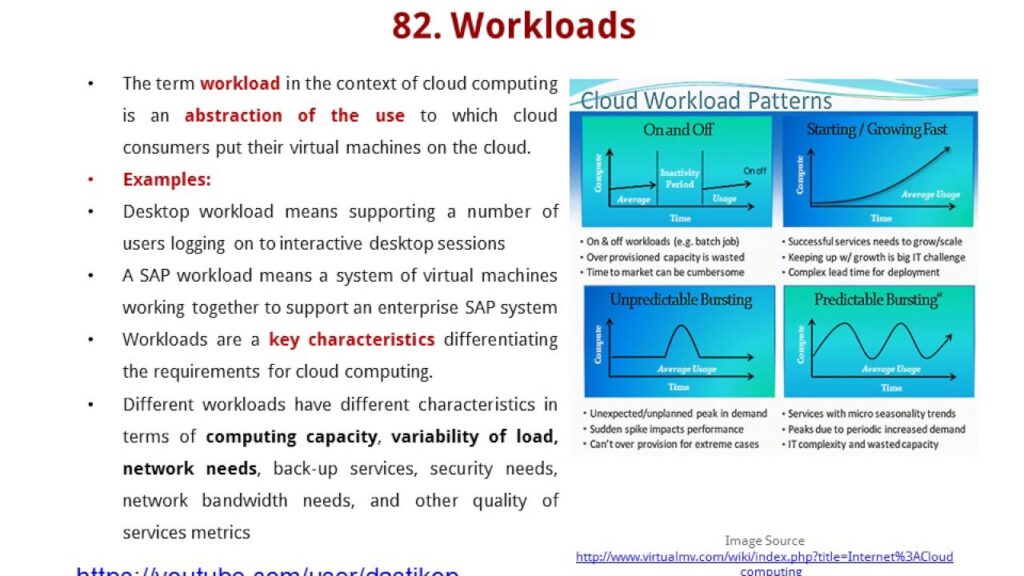
The collaboration between Oracle and Quantinuum aims to explore workloads that merge quantum processors with AI and high-performance computing infrastructure. This partnership could have significant implications for industries such as materials research, drug development, logistics, energy, and financial modeling.
By bringing Helios to Oracle Cloud Infrastructure, the companies hope to provide developers with a secure way to explore quantum computing’s potential alongside their existing AI and HPC workloads while improving efficiency and energy usage.
The exact timeline for when Helios will be operational within OCI has not been disclosed, but a preview of the quantum service is expected in the coming months. This partnership also aims to make quantum computing resources accessible to universities and research institutions through cloud infrastructure.
Quantinuum has highlighted the potential of quantum systems to complement conventional computing by offering improved power efficiency for certain workloads. Helios is designed to operate in hybrid environments that combine quantum processing with traditional HPC and AI systems.
Overall, the collaboration between Oracle and Quantinuum represents a significant step towards integrating quantum computing into existing cloud infrastructure, opening up new possibilities for enterprise computing and research endeavors.