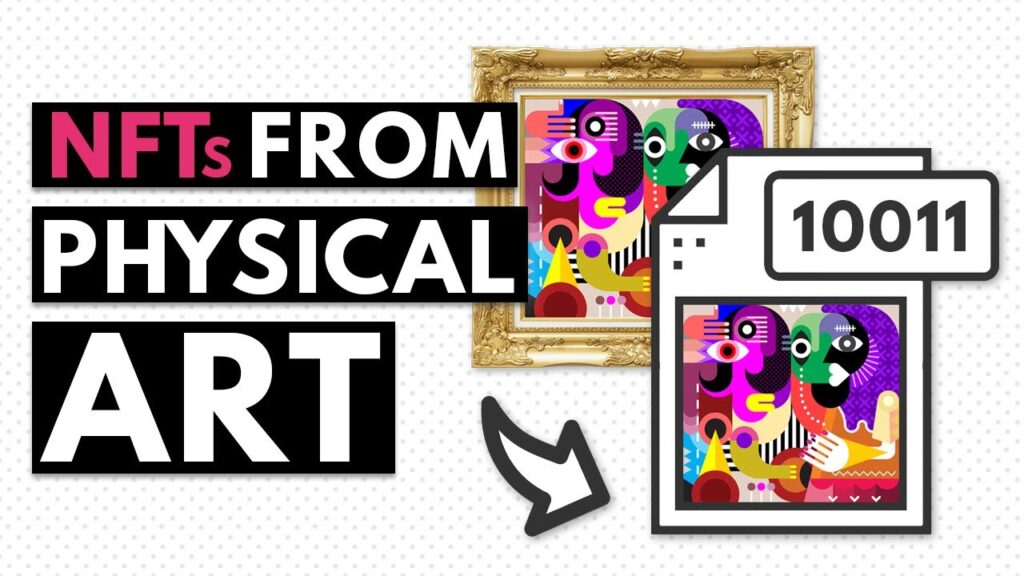
The emergence of NFTs has revolutionized the world of digital art and collectibles, opening up new avenues for creators to monetize their work. However, for those new to the world of NFTs, it can be daunting to understand how to reveal the value and authenticity of an NFT. In this guide, we will explore the different ways to reveal NFTs, from checking their blockchain records to using third-party verification services.
To begin with, understanding the concept of NFTs is crucial. NFTs are digital assets that represent ownership or proof of authenticity of a specific piece of digital content, such as artwork, music, or videos. These assets are stored on a blockchain, which is a decentralized ledger that records all transactions and data in a secure and transparent manner. Reveal NFTs means to verify the authenticity and ownership of these digital assets, which is essential in the world of NFTs where the value of an asset can vary greatly depending on its legitimacy.
Revealing an NFT is an easy process. Here are the steps to follow:
- Sign up to an NFT platform like OpenSea.
- Verify your identity to add assets to your account.
- Once your identity is verified, you will be able to add assets.
- Navigate to your NFT wallet and locate the NFT you would like to reveal.
- Click on the NFT and it will reveal the information associated with it.

How to Reveal NFTs?
Non-fungible tokens (NFTs) are digital assets that are unique and non-interchangeable. They are used to create digital collectibles, games, and other digital items. Revealing an NFT requires you to have certain knowledge and understanding of the technology behind them. In this article, we will discuss the steps you need to take in order to reveal an NFT.
Step 1: Acquire an NFT
The first step in revealing an NFT is to acquire one. You can purchase an NFT from a marketplace such as OpenSea, CryptoKitties, or Rarible. You can also obtain an NFT from a friend or family member who owns one. Once you have acquired an NFT, you will need to create a wallet to store it. You can use a hardware wallet, such as the Ledger Nano S, or a software wallet, such as MetaMask.
Step 2: Connect Your Wallet to the NFT
Once you have created a wallet, you will need to connect it to the NFT. This can be done by scanning a QR code or entering a seed phrase. This will allow you to view the details of the NFT, such as the creator, the description, the features, and more. You can also view the transaction history of the NFT.
Step 3: Transfer the NFT to Your Wallet
The third step is to transfer the NFT from the current owner’s wallet to your own. This can be done by entering the wallet address of the current owner into your wallet. Once the transaction is complete, the NFT will be transferred to your wallet.
Step 4: Reveal the NFT
Once the NFT has been transferred to your wallet, you will be able to reveal it. To do this, you will need to use a blockchain explorer, such as Etherscan. This will allow you to view the details of the NFT, including the creator, the description, the features, and more. You can also view the transaction history of the NFT.
Step 5: Store the NFT in Your Wallet
The fifth and final step is to store the NFT in your wallet. This can be done by clicking the “store” button in your wallet. This will ensure that the NFT is safe and secure. It is important to remember that you should never share your wallet address with anyone, as this could compromise the security of your NFT.
Frequently Asked Questions About Revealing NFT
Non-fungible tokens (NFTs) are digital assets that are unique and not interchangeable. They are used to represent a range of virtual assets, including artwork, music, videos, and more. Revealing an NFT is the process of proving the ownership of a particular asset by releasing the code or token associated with the asset.
What is an NFT?
An NFT is a digital asset that is unique and not interchangeable. It is represented by a digital token that is stored on a blockchain or distributed ledger. NFTs are used to represent a range of virtual assets, including artwork, music, videos, and more. NFTs are indivisible and can’t be divided into smaller units.
NFTs are a type of cryptocurrency that are stored on the blockchain, which is a distributed ledger technology that is used to securely store information and track transactions. The token associated with an NFT is used to prove ownership of a particular asset. The token is cryptographically secured and can’t be counterfeited.
What is the process of revealing an NFT?
The process of revealing an NFT involves releasing the code or token associated with the asset in order to prove ownership. This can be done by signing a transaction on the blockchain that includes the NFT’s token and the owner’s public address. This transaction is then stored on the blockchain, which serves as evidence of ownership.
The process of revealing an NFT can vary depending on the type of asset being represented. For example, if the asset is a virtual asset such as digital art, the process may involve uploading the asset to the blockchain. Once the asset is uploaded, the owner can then sign a transaction on the blockchain that includes the NFT’s token and the owner’s public address. This transaction is then stored on the blockchain, which serves as evidence of ownership.
What are the benefits of revealing an NFT?
Revealing an NFT can provide several benefits. First, it can provide proof of ownership and authenticity of the asset. This can be beneficial for both buyers and sellers of NFTs, as it ensures that the asset is legitimate and that the owner has the right to sell or transfer the asset. Additionally, revealing an NFT can help to protect against fraud and counterfeiting.
Revealing an NFT can also help to increase the value of the asset. By providing proof of ownership and authenticity, buyers can be more confident in their purchase. This can lead to higher prices and more sales for the owner of the asset. Finally, revealing an NFT can help to create more transparency in the market, which can help to create a more efficient and secure market for digital assets.
What are the risks of revealing an NFT?
Revealing an NFT can carry certain risks. Since the process involves releasing the code or token associated with the asset, it is possible that the asset could be stolen or corrupted. Additionally, if the code or token is not securely stored, it could be exposed to hacking or other malicious activities. It is also important to note that revealing an NFT can be a public process. This means that the ownership of the asset may be visible to anyone with access to the blockchain.
In order to reduce the risks associated with revealing an NFT, it is important to use secure methods for storing the code or token associated with the asset. Additionally, it is important to use reputable platforms and services when revealing an NFT. This can help to ensure that the process is secure and that the asset is safe from theft or corruption.
NFT Reveal in 2 mins
In conclusion, the world of NFTs is an exciting and rapidly evolving field, with endless possibilities for creators, collectors, and investors alike. As more and more people become interested in NFTs, it’s important to understand the basics of how to reveal them. Whether you’re looking to reveal an NFT you’ve created, or you’re hoping to acquire a valuable NFT, the process is relatively straightforward if you know where to look.
Ultimately, the key to revealing an NFT is to do your research, stay up to date on the latest trends and developments, and be prepared to adapt and evolve as the NFT landscape continues to change. With the right approach and a little bit of patience, anyone can get involved in the exciting world of NFTs and discover the unique and valuable assets that are waiting to be revealed. So why wait? Start exploring the world of NFTs today and see where this dynamic and innovative field can take you!