During the second quarter, AWS experienced its fastest growth in over four years, with revenue reaching $42.2 billion, a 37% increase year over year. This surpassed analysts’ expectations and marked the cloud unit’s strongest performance in 18 quarters. Despite this growth, Amazon CEO Andy Jassy noted that AWS still lacked sufficient computing capacity to meet customer demand.
To address this issue, Amazon raised its 2026 capital spending forecast to $220 billion, up from an initial estimate of $200 billion. However, Jassy acknowledged that even with this increased investment, AWS would still struggle to meet all the expected demand in 2026 and beyond.
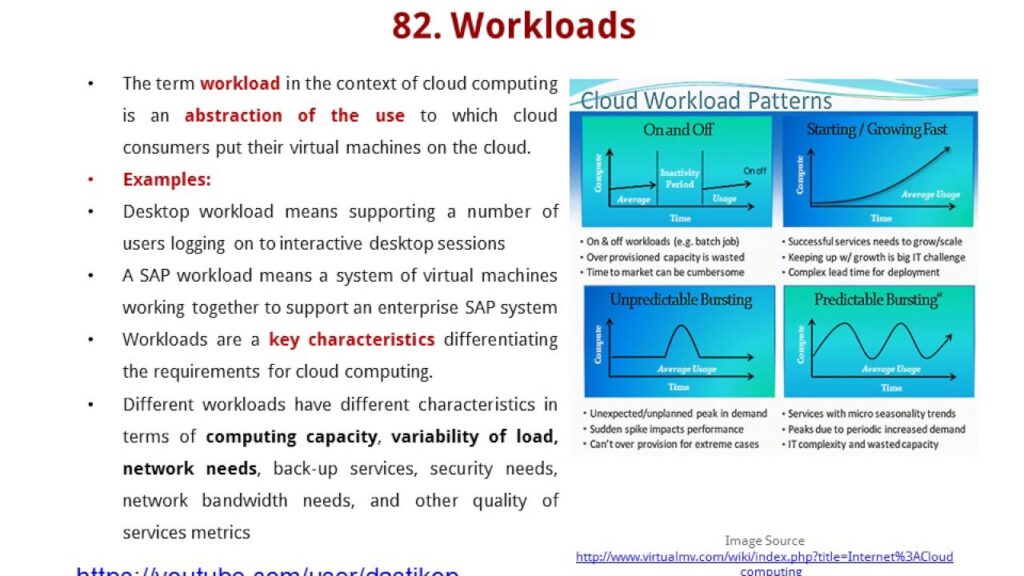
The demand for AWS computing capacity has been steadily increasing, with a backlog reaching $496 billion at the end of the quarter. Jassy mentioned that a significant portion of the capacity planned for 2027 had already been reserved by customers, indicating the high demand for AWS services.
In response to this capacity constraint, AWS offers products that allow customers to reserve computing resources in advance, such as EC2 Capacity Blocks and On-Demand Capacity Reservations. These products help customers secure the necessary capacity for their operations.
Amazon’s infrastructure availability is currently limiting the demand it can serve, with Jassy emphasizing the importance of investing in data centers and computing infrastructure. Despite the challenges, Amazon remains committed to expanding its cloud capacity to meet the growing needs of its customers.
Higher memory costs have been a major driver behind Amazon’s increased capital expenditure forecast, with AI adoption driving increased consumption of core AWS services. This investment is crucial for supporting AI applications and their associated data.
Overall, Amazon’s continued investment in cloud infrastructure reflects its commitment to meeting the evolving needs of customers in an increasingly digital world. By strategically expanding its capacity and improving efficiency, Amazon aims to remain a key player in the cloud computing market.