In an unexpected turn of events, Microsoft ended its 2026 fiscal year with Azure generating over $100 billion in annual revenue, marking a remarkable 41% increase from the previous year. The company’s financial chief has projected a further 45% growth for Azure in the current quarter, a rate that is quite uncommon for a cloud platform of this magnitude. This significant growth trend sheds light on the direction of enterprise technology spending in the present landscape.
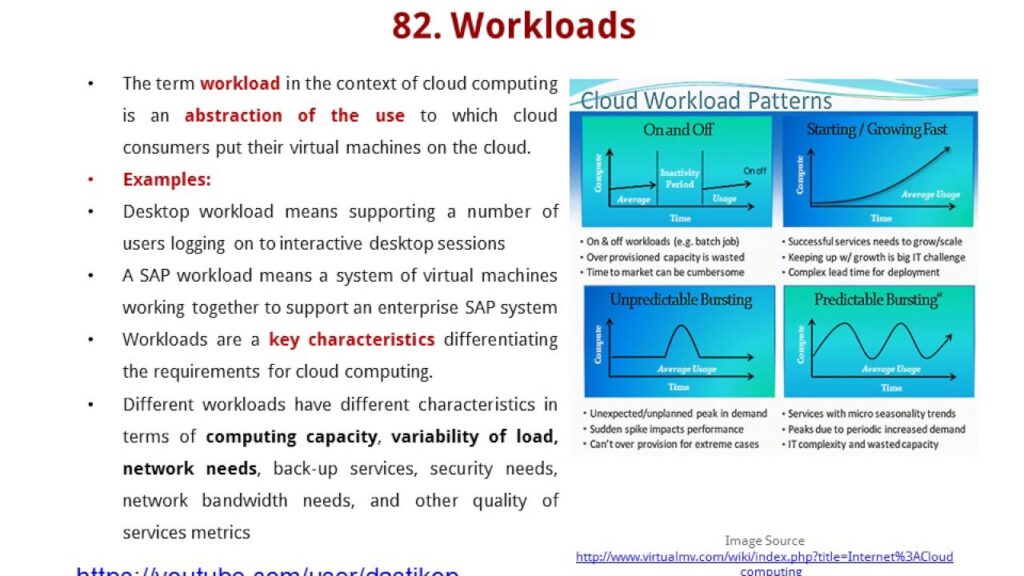
The surge in revenue primarily stems from existing enterprise clients leveraging Azure for a higher volume of workloads compared to the previous year. This includes Copilot deployments, a multitude of AI projects, increased data platforms, and a substantial wave of legacy applications undergoing reconstruction instead of mere patching. Microsoft’s insights indicate that the demand for AI infrastructure plays a pivotal role in driving this growth, alongside the ongoing migration of on-premises systems that had long been on the agenda.
The aspect of migration stands out as a crucial consideration for enterprise IT leaders. Many of the software systems still in operation within large organizations, particularly in sectors like finance, insurance, healthcare, and manufacturing, were originally developed on .NET framework years or even decades ago. Azure has consistently served as the natural destination for this software due to Microsoft’s seamless integration of the two platforms. As the adoption of Azure accelerates, the backlog of .NET applications awaiting migration to Azure-native services continues to expand.
The Cloud Isn’t the Bottleneck
Contrary to popular belief, cloud capacity is not the limiting factor in this scenario. Azure boasts a plethora of regions, services, and AI tools that surpass the requirements of most enterprises within a single year. The real bottleneck lies in engineering capacity: the availability of teams well-versed in both the .NET codebase being transferred and the Azure services it is being migrated to.
Finding individuals with this unique skill set is more challenging than anticipated. Job postings seeking .NET developers with hands-on experience in Azure migration have surged alongside the platform’s growth, while internal recruitment processes often struggle to keep pace with the rapid evolution of cloud technologies. The standard hiring cycle for a senior .NET engineer typically spans two to three months, a timeframe incompatible with the sudden surge in Azure demand.
Consequently, many enterprises are opting to supplement their internal teams with staff augmentation rather than relying solely on direct hiring to fill open positions. This model involves integrating engineers into existing teams under the supervision of current managers, ensuring that ongoing migrations do not stall due to prolonged recruitment processes. Full Scale, a staffing agency specializing in placing dedicated .NET engineers with U.S. companies, exemplifies this approach tailored specifically to bridge the .NET-to-Azure gap with minimal onboarding time.
What This Means for the Next Two Quarters
For IT leaders mapping out their upcoming strategies, several key takeaways can be derived from Microsoft’s recent financial results:
- Simply increasing the Azure budget does not automatically facilitate system reconstruction; it must be coupled with a realistic assessment of available resources.
- Backlogs are likely to expand before diminishing, as the influx of AI workloads adds to existing migration queues.
- The protracted hiring timelines for specialized cloud and .NET talent pose a genuine constraint on the pace of roadmap execution, rather than a mere afterthought.
Despite the challenges posed by this rapid growth, it is essential to recognize that a $100 billion cloud platform expanding at a rate of 41% signifies that enterprises are finally taking action on long-delayed migration initiatives. However, sustaining growth at this scale exerts pressure on engineering teams tasked with keeping up with the evolving demands of the ecosystem.