Amazon is strategically redistributing its e-commerce infrastructure across a wider array of AWS regions due to reported constraints on power and data centre capacity. This multiyear initiative, internally known as “Region Flex,” aims to decrease Amazon’s dependency on select large AWS regions and distribute workloads across more locations, as per internal planning documents obtained by Business Insider.
The documents highlight power and capacity limitations as key drivers behind the program. One plan mentions relocating infrastructure from AWS’s Dublin region due to expansion risks associated with power availability, while another emphasizes the need for additional regional capacity to meet projected demands.
While Amazon confirmed the existence of Region Flex, it clarified that certain timelines and details in the documents were inaccurate or no longer aligned with its current plans. The company stated that it continuously evolves its infrastructure to enhance reliability, control costs, and optimize service delivery proximity to customers.
Reported plans include transferring some workloads from Dublin to AWS regions like Frankfurt and Zaragoza, Spain. Additionally, Amazon has contemplated reducing the infrastructure footprint of its e-commerce operations in Dublin and other established AWS locations.
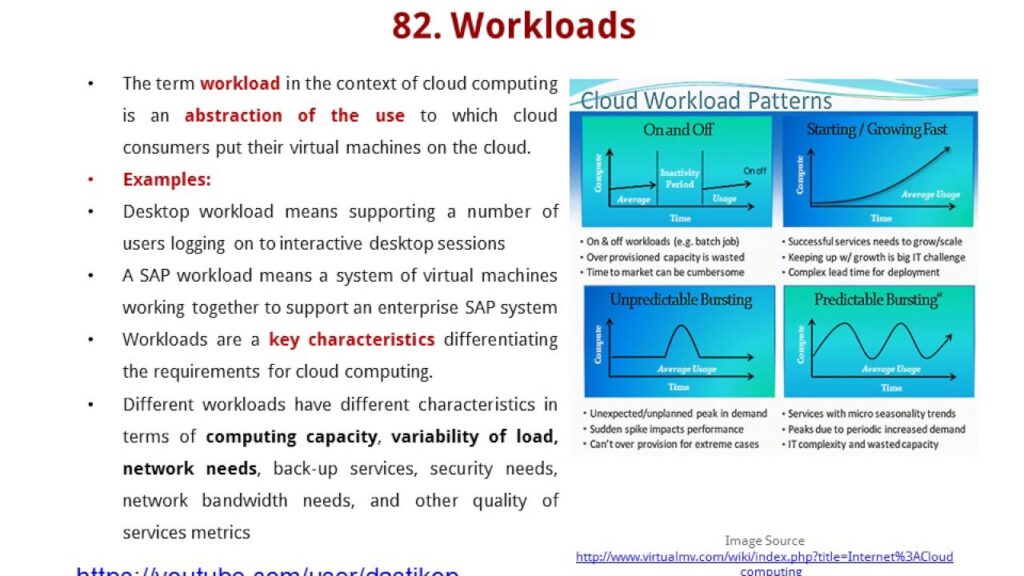
Region Flex involves moving workloads between distinct AWS geographic regions, rather than solely distributing them across Availability Zones within a single region. AWS regions consist of multiple Availability Zones comprising separate data centers and infrastructure.
As of now, AWS operates 123 Availability Zones across 39 geographic regions, with plans to add seven more Availability Zones and two regions in the future. The pricing of resources can vary between regions due to factors like land, fiber, electricity, and taxation. AWS advises customers to consider factors such as latency, data residency, cost, performance requirements, and service availability when determining where workloads should operate.
Transferring workloads between regions can result in data transfer charges, as AWS bills for certain traffic transmitted between regions based on the source and destination. This approach may lead to increased infrastructure costs, as reported by Business Insider, due to reduced hosting efficiency from distributing workloads.
Operating workloads across multiple regions may necessitate additional infrastructure, monitoring, and operational efforts. Organizations must manage dependencies and failover between regions, introducing operational complexities beyond running workloads in a single location.
Despite operating under capacity constraints, AWS continues to expand its infrastructure. Amazon CEO Andy Jassy announced during the company’s second-quarter earnings call in July that AWS anticipates ongoing capacity additions.
In July, Amazon raised its 2026 capital expenditure from $200 billion to $220 billion, primarily attributing the increase to higher memory costs. The majority of Amazon’s capital spending is allocated to AI and data center infrastructure.
Prior to the recent spending increase, Amazon had already bolstered the power available to AWS, adding over 3.8 gigawatts of power capacity in the previous 12 months as of October 2025. Jassy affirmed during the July earnings call that AWS remains on track to double its power capacity by the end of 2027 compared to 2025 levels.
Ireland has tightened regulations for new data center connections to the electricity network, considering grid constraints, network capacity, electricity supply security, and generation adequacy. New data centers seeking connections must provide generation or storage capacity matching their requested maximum electricity import under the new policy. They must also fulfill at least 80% of their annual electricity demand through additional renewable electricity projects in Ireland, with a six-year grace period for these projects to become operational.
AWS recommends that customers factor in compliance requirements, latency, cost, and service availability when selecting a region. Power and infrastructure availability are reported to influence Amazon’s workload placement under Region Flex, as it distributes parts of its e-commerce infrastructure across a broader range of AWS regions while expanding data center and power capacity.