Many teams in the workplace are now utilizing ChatGPT to expedite writing projects, tackle complex issues, and efficiently handle repetitive tasks. AI is increasingly utilized to compose emails, take meeting notes, and generate fresh ideas.
However, just like any powerful tool, the approach to using ChatGPT is crucial. Without appropriate safeguards, there is a risk of exposing sensitive data, using AI without proper validation, or contravening company policies and ethics. Therefore, it is imperative for every organization to ensure that their teams are utilizing ChatGPT responsibly.
This article will delve into the significance of responsible usage, the key principles to adhere to, the essential training program, how to establish guidelines, and the primary resources to aid your staff in safely utilizing social media.
Why does the Right Use of ChatGPT Matter?
Understanding the limitations of ChatGPT is paramount before integrating it into operations.
Data protection is a critical concern. Disclosing sensitive information in ChatGPT could inadvertently lead to its exposure outside the organization.
Moreover, there is the risk of hallucination, where AI generates information it believes to be accurate but turns out to be false. Hasty decision-making may result in reliance on incorrect data.
Bias is another issue to consider. ChatGPT has been trained on a plethora of internet data, potentially amplifying any biases present in the information. Over time, individuals may overly rely on the tool, bypassing critical thinking and judgment.
These considerations also touch on regulatory and ethical aspects. Errors related to privacy, co-speaker information, or online compliance can lead to legal and reputational repercussions for the organization.
Irresponsible AI use can erode trust, create general problems, and invite costly mistakes. Therefore, it is imperative to ensure that teams are educated and guided on how to safely and effectively utilize ChatGPT.

Key Principles of Responsible AI Usage
Smart utilization of ChatGPT necessitates responsibility and mindfulness of its capabilities, guided by some fundamental principles.
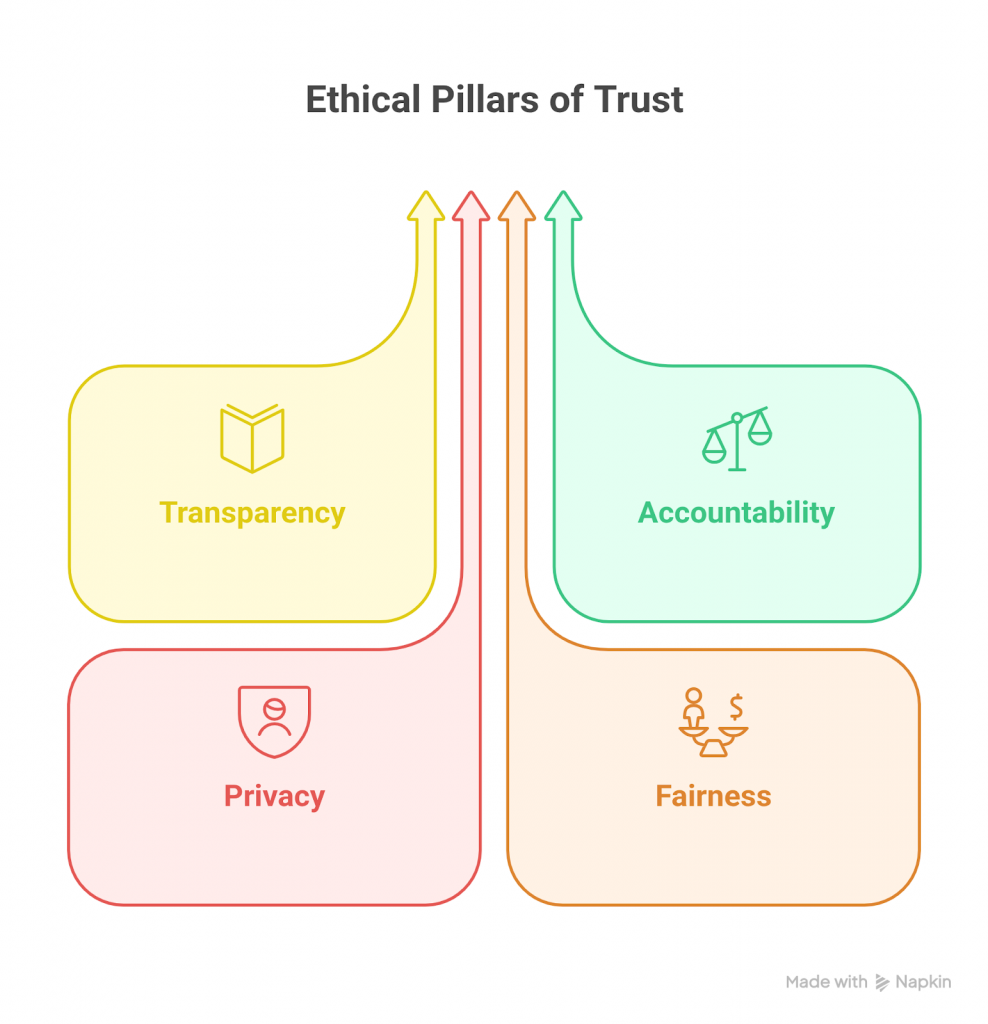
Transparency is paramount. When employing AI to aid in content creation, whether for customer emails, reports, or internal communication, it is essential to be transparent. Individuals interacting with machine-generated or assisted content deserve to be informed.
Accountability is another key principle. While ChatGPT can be beneficial, it should not substitute human judgment. All outputs generated by the tool should be reviewed, fact-checked, and ultimately approved by someone cognizant of the content’s context and implications.
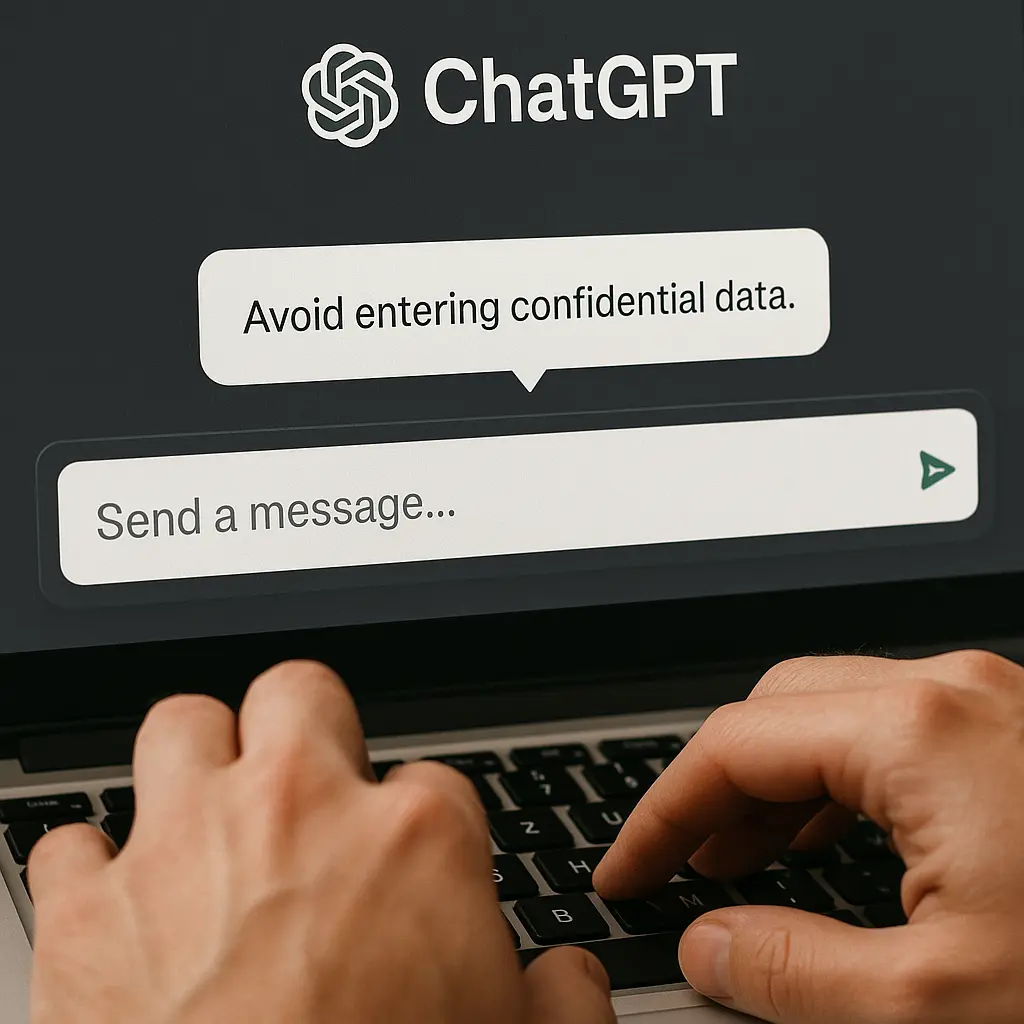
Privacy and data security are non-negotiable. Teams should refrain from inputting sensitive information into prompts, such as customer data, internal strategies, or confidential files. Once such data is leaked, controlling its dissemination becomes challenging.
Lastly, fairness and bias must be considered. The model may inadvertently perpetuate biases present in the training data. Therefore, it is crucial to be mindful of the tone, language, and assumptions in the output, and be willing to rectify or reassess outcomes that seem off-kilter.
These principles lay the groundwork for secure, ethical, and innovative utilization of AI.
Training Essentials for Teams
Understanding the Tool
Prior to utilizing ChatGPT, individuals should comprehend its strengths and limitations. ChatGPT can aid in text generation, document summarization, idea generation, and cognitive support.
However, it lacks the nuanced comprehension of human beings and may err at times. It is incapable of real-time awareness and may not always recognize its mistakes.
Training should emphasize that ChatGPT is a writing tool, not a definitive source of answers or decision-making. Human judgment should complement, rather than be supplanted by, machine capabilities.
When familiarizing teams with ChatGPT’s functionalities, structured learning resources prove beneficial. For instance, a free course on ChatGPT for Business Communication can equip professionals with a solid grounding on leveraging the tool effectively in everyday work scenarios.
Promoting Critical Thinking
It is imperative not to unquestionably accept AI-generated results. Asserting a claim does not guarantee its veracity. Encourage teams to scrutinize and verify instructions thoroughly.
Does the content logically align? Are the facts accurate? Is the tone appropriate? Verification is crucial, particularly when employing AI-generated content in customer interactions, public materials, or high-stakes communications.
Treat ChatGPT’s responses as initial drafts or starting points, rather than definitive answers. Teams should feel empowered to challenge outputs, edit them, or discard them if they fall short of expectations.
Safe Input Practices
Quality output commences with secure input. Teams must refrain from inputting private, personal, or confidential information into ChatGPT. This includes client names, employee details, financial data, passwords, or internal documents.
A simple rule of thumb is to avoid pasting into ChatGPT any information that wouldn’t be shared with external parties. When experimenting or prompting, utilize anonymized or generic data.
It is also prudent to remind teams that despite simulating human conversation, ChatGPT remains a machine and should not be treated as a secure, private workspace.
Use Case Guidelines
Clear delineation of boundaries fosters trust. Teams should be aware of permissible uses of ChatGPT and where the limits lie. Approved use cases may entail drafting outlines, composing basic emails, or summarizing non-sensitive information.
Prohibited applications could include dispensing legal advice, supplanting regulated communications, or handling confidential client data. Documenting a concise list of acceptable and unacceptable practices ensures universal comprehension of safe tool utilization.
Ensure that the guidelines are accessible to all personnel and update them in tandem with evolving organizational needs.
Developing Internal Guidelines and Policies
Organizations necessitate not only good intentions but also clear, actionable guidelines that everyone can adhere to when leveraging ChatGPT at scale.
- Commence by formulating contextual rules aligned with your industry, data sensitivity, and internal workflows. For instance, a marketing team may utilize ChatGPT for blog post drafting, while a legal team should refrain from employing it for contractual language. Tailor rules to correspond with each department’s risks and operational realities.
- Consistency is paramount. Without it, teams may adopt disparate informal practices—some secure, others insecure. A shared set of expectations fosters uniformity and diminishes misuse risks. This can encompass specifying approved tools, delineating acceptable use cases, and identifying high-risk scenarios.
- Additionally, crafting simple, replicable templates and examples is beneficial. Illustrate what constitutes a safe prompt. Specify instances where content necessitates managerial or compliance team review. For instance, “Leverage AI for ideation, but all client-facing content must undergo managerial scrutiny prior to dissemination.”
- When policies are lucid and simple to implement, adherence is more likely. These internal guardrails transform responsible AI usage from theory into a consistent, day-to-day practice.
For individuals shaping internal AI use policies or training frameworks, in-depth learning is advantageous. Programs like the AI & Machine Learning Program by Great Lakes provide crucial insights into tool functionalities, aiding leaders in setting realistic, secure utilization standards.
Continuous Learning and Improvement
Technology evolves constantly, necessitating a dynamic approach to utilizing tools like ChatGPT. As new features emerge or organizational requirements change, ongoing learning and adaptation are essential.
Regular learning initiatives enable employees to keep pace with AI advancements and enhance their competencies. Courses like ChatGPT for Working Professionals cater to this need, offering practical, hands-on applications amidst busy schedules.
Incorporate routine check-ins. Solicit feedback on what is effective, where challenges arise, and areas for improvement. Such insights aid in fine-tuning training, updating guidelines, or identifying early red flags.
Periodic assessments of tool usage, conducted unobtrusively, can reveal issues before they escalate.
Encouraging knowledge-sharing among teams regarding ChatGPT usage tips is invaluable. A Slack channel or knowledge-sharing sessions facilitate this exchange. When successful strategies are shared, the overall work quality improves.
This continuous learning approach is not about mastering the tool once and ceasing to evolve. It centers on fostering open dialogue, maintaining curiosity, and facilitating ongoing enhancement for all.
Equipping teams with the appropriate tools streamlines responsible usage.
- Initiate by delivering training modules that outline best practices, bolstered by user-friendly internal documentation or wikis for swift reference.
If monitoring tools are utilized, they aid in tracking usage patterns and flagging potential risks.
- Providers like OpenAI offer policy templates, prompt guidelines, and safety resources that can be customized to suit your requirements. Direct teams to these materials during onboarding or routine training. Accessible support enhances thoughtful tool usage within secure boundaries.
Consider guiding teams towards well-structured courses or internal upskilling avenues to facilitate learning. Programs like the Generative AI course deepen comprehension, particularly for roles shaping internal AI policies or workflows.
For those seeking continuous, flexible access to professional upskilling, the recently launched Academy Pro subscription plan unlocks all premium courses for just ₹799/month. This eliminates the need for individual course purchases, making it simpler and more cost-effective for teams to continually enhance their AI proficiencies and remain abreast of responsible usage practices.
Conclusion
ChatGPT and analogous tools are increasingly integrated into the daily work toolkit. However, like any tool, the manner of usage is pivotal. With structured training and clear guidelines, teams can leverage ChatGPT effectively without compromising sensitive data, reputation, or trust.
Leaders play a pivotal role in fostering responsible usage. Investing in training and establishing straightforward, pragmatic guidelines assists in aligning everyone and averting potential pitfalls.
If not already in place, now is an opportune moment to review or devise internal policies. Thoughtful steps today can preempt significant challenges in the future.