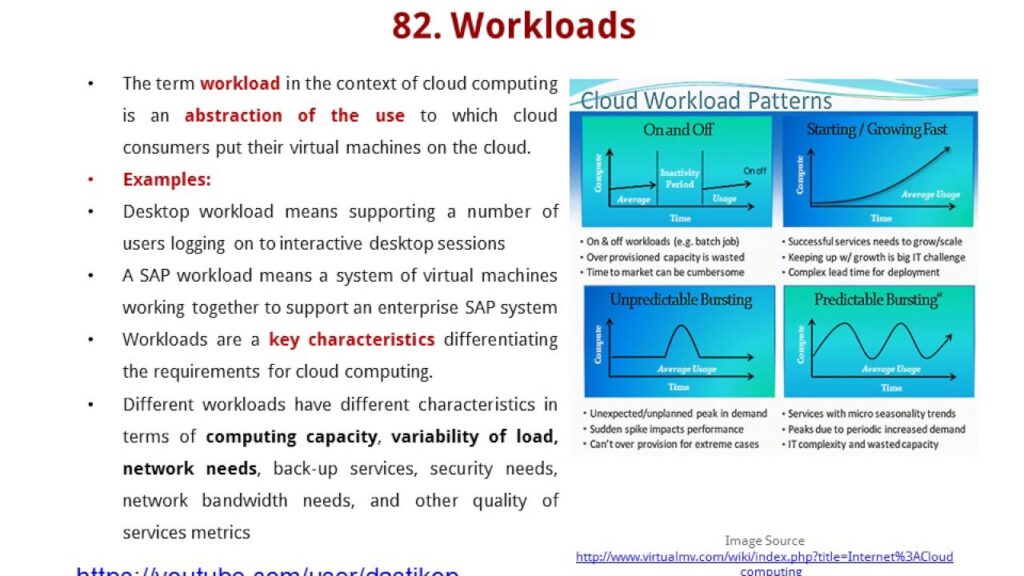
Enterprise networks are no longer confined within a single security perimeter. With workloads spread across on-premise data centres, public clouds, branch offices, and remote endpoints, the traditional firewall architectures struggle to provide consistent protection. Employees now connect from home networks, cloud infrastructure scales dynamically, and applications span multiple platforms, creating a fragmented security landscape.
To address this challenge, hybrid mesh firewalls have emerged as a solution. By connecting hardware appliances, cloud firewalls, and firewall-as-a-service protections into a unified framework, these architectures enable organisations to define and enforce security policies across all environments seamlessly. The introduction of the Magic Quadrant for Hybrid Mesh Firewalls by Gartner in 2025 underscored the increasing importance of security platforms that support distributed infrastructure.
Leading vendors like Check Point, Fortinet, and Cisco are actively shaping the evolution of hybrid mesh firewalls. Each vendor brings unique strengths to the table, catering to different use cases and priorities. Check Point focuses on prevention-first security, Fortinet on hardware acceleration and network performance, and Cisco on network-integrated security architecture.
Check Point’s Infinity Platform integrates Quantum Security Gateways, CloudGuard, and Harmony SASE to deliver unified security policy enforcement across data centres, cloud workloads, and remote endpoints. Fortinet’s FortiOS powers its hybrid mesh firewall architecture, offering custom ASIC hardware acceleration and a range of security and networking capabilities. Cisco, on the other hand, integrates security enforcement directly into the network fabric, providing intent-based policy management and AI-driven administrative assistance.
When choosing a hybrid mesh firewall platform, organisations should consider factors such as their existing vendor ecosystem, hybrid and multi-cloud architecture requirements, performance needs, and operational complexity. These platforms represent a significant shift in enterprise network security architecture, offering consistent protection in today’s complex and distributed environments. As organisations continue to build modern hybrid infrastructure, hybrid mesh firewall platforms are set to play a crucial role in their network security strategies.