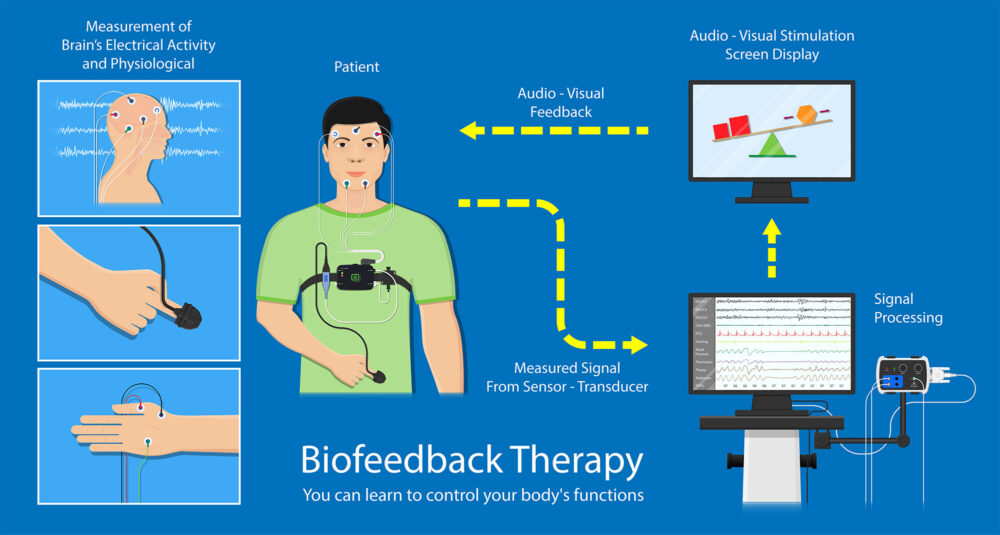
Quantum biofeedback is a relatively new technology that has been introduced in the field of holistic medicine. It uses a combination of traditional Chinese medicine, biofeedback, and quantum physics to help promote healing and balance in the body. The technique is based on the principle that the human body is made up of energy, and by manipulating this energy, we can influence the body’s ability to heal itself.
Despite its growing popularity, many people remain skeptical about the effectiveness of quantum biofeedback. Some question the validity of the technology, while others simply do not understand how it works. In this article, we will explore the science behind quantum biofeedback and examine whether or not it is a viable treatment option for those seeking to improve their overall health and wellness. So, does quantum biofeedback really work? Let’s find out.
Yes, quantum biofeedback really works. Quantum biofeedback is a form of biofeedback that uses quantum physics to measure a person’s physical, mental, and emotional states. It can help people improve their overall health and well-being by teaching them to regulate their body’s stress response. Quantum biofeedback is non-invasive, painless, and has been shown to improve symptoms of stress, anxiety, insomnia, and more.
Does Quantum Biofeedback Really Work?
Quantum biofeedback is a non-invasive therapy that uses the body’s natural energy fields to improve mental and physical health. It has been used to treat a range of conditions, including depression, anxiety, and chronic pain. But does it really work? In this article, we’ll explore the evidence behind quantum biofeedback and its potential benefits.
What Is Quantum Biofeedback?
Quantum biofeedback is a form of alternative medicine that uses non-invasive techniques to manipulate a person’s energy fields. The aim is to improve mental and physical health by optimizing the body’s energy flow. During a session, the practitioner uses a device to measure the body’s energy fields and detect any imbalances or blockages. The practitioner then uses a variety of techniques to correct these imbalances, such as sound, light, and massage.
Quantum biofeedback is based on the belief that the body is composed of energy fields that can be manipulated to improve health. It is also believed that the body’s energy fields can be affected by external factors, such as stress and environmental toxins. By restoring balance to the body’s energy fields, quantum biofeedback practitioners believe they can improve mental and physical health.
What Are the Potential Benefits of Quantum Biofeedback?
Quantum biofeedback has been used to treat a range of conditions, including depression, anxiety, chronic pain, and insomnia. Proponents of quantum biofeedback also claim that it can improve physical performance and enhance creativity.
There is some evidence to suggest that quantum biofeedback can be beneficial for health. One study found that quantum biofeedback improved symptoms of depression in patients with major depressive disorder. Another study found that quantum biofeedback reduced pain in patients with chronic pain conditions.
However, further research is needed to confirm the effectiveness of quantum biofeedback for these conditions. It is also important to note that quantum biofeedback should not be used as a replacement for conventional medical treatment.
What Are the Risks of Quantum Biofeedback?
Quantum biofeedback is generally considered to be safe. However, there are some potential risks to consider. It is important to note that quantum biofeedback should only be performed by a qualified practitioner.
There is also a risk of side effects, such as headaches, fatigue, and dizziness. In some cases, the body’s energy fields may be disrupted, which can lead to further health problems. It is also important to note that the long-term effects of quantum biofeedback are not yet known.
Conclusion
Quantum biofeedback is a non-invasive therapy that uses the body’s natural energy fields to improve mental and physical health. It has been used to treat a range of conditions, including depression, anxiety, and chronic pain. There is some evidence to suggest that quantum biofeedback can be beneficial for health, but further research is needed to confirm its effectiveness. Quantum biofeedback is generally considered to be safe, but it is important to note that it should only be performed by a qualified practitioner.
Frequently Asked Questions
Quantum biofeedback is a relatively new therapy that uses advanced technology to measure and analyze the body’s energy patterns and provide feedback to the patient. Proponents of the therapy claim that it can be used to treat a variety of physical and psychological conditions.
Does Quantum Biofeedback Really Work?
Quantum biofeedback is still a relatively new form of therapy, and so there is limited research available on its effectiveness. However, some studies have indicated that quantum biofeedback may be helpful in treating a wide range of conditions, including anxiety, depression, chronic pain, and more.
One study conducted at the University of Utah found that patients who received quantum biofeedback treatments experienced a reduction in the severity of their symptoms. The study also found that the treatment was well-tolerated and had no serious side effects. While these results are encouraging, more research is needed to confirm the efficacy of quantum biofeedback as a form of therapy.

In conclusion, the question of whether quantum biofeedback really works remains a subject of debate among experts and laypeople alike. While some studies have shown promising results, others have found little to no evidence of its effectiveness. However, it is clear that the field of biofeedback therapy, in general, is growing rapidly and is becoming increasingly popular as a tool for promoting wellness and reducing stress.
Despite the ongoing debate, many individuals have reported positive experiences with quantum biofeedback and believe it has helped them to achieve greater physical and emotional balance. Whether you are a skeptic or a believer, it is important to approach any form of alternative therapy with an open mind and a willingness to explore new approaches to health and wellness. Ultimately, the decision of whether or not to try quantum biofeedback is a personal one, and should be based on your individual needs and goals for your health and well-being.